Limit, Save, Grow Act of 2023 (HR 2811) – This bill was introduced in the House by Rep. Jodey Arrington (R-TX) on April 26. It would authorize and increase the federal debt limit as well as specific cuts in spending, such as repealed energy tax credits, expanded work requirements for the Supplemental Nutrition Assistance Program (SNAP) and other programs, and nullifies regulations for the cancellation of federal student loan debt. This bill passed in the House on April 26 but was not expected to pass in the Senate.
Pharmacy Benefit Manager Reform Act (S 1339) – Co-sponsored by three Republicans, this bipartisan bill would provide for increased oversight of benefits managers that provide pharmacy management services on behalf of health insurers and employer health plans. The bill was introduced by Sen. Bernie Sanders (D-VT) on April 27. A committee report was ordered and returned on May 11, where it awaits assessment by the full Senate.
Fire Suppression and Response Funding Assurance Act (S 479) – This bill is designed to ensure that pre-deployed state and local fire suppression assets are eligible for FEMA’s Fire Management Assistance Grants (FMAG) in an effort to improve the federal government’s response to wildfire disasters. It would adjust the cost share for fire management assistance to no less than 75 percent of the eligible cost. The bill was introduced on March 14 by Sen. Alex Padilla (D-CA). A committee issued its report on the bill on March 29 and it is currently under consideration in the Senate.
National Weather Service Communications Improvement Act (S 1414) – This bill is designed to improve the instant messaging service used by the National Weather Service, as well as other purposes. The bill was introduced by Sen. Maria Cantwell (D-WA) on May 3; its committee report was returned to the Senate on May 10, where it currently awaits review.
NWR Modernization Act of 2023 (S 1416) – Introduced by Sen. Maria Cantwell (D-WA) on May 3, this bill would authorize upgrading and modernizing the National Oceanic and Atmospheric Administration Weather Radio All Hazards Network. The Senate committee issued its report to the Senate on May 10, where it currently awaits review.
A joint resolution providing for congressional disapproval under chapter 8 of title 5, United States Code, of the rule submitted by the Environmental Protection Agency relating to “Control of Air Pollution From New Motor Vehicles: Heavy-Duty Engine and Vehicle Standards” (SJ 11) – This joint resolution nullifies the Environmental Protection Agency rule that pertains to the control of air pollution by new motor vehicles. The current rule sets high emission standards for heavy-duty engines and vehicles in order to reduce air pollution. The bill was introduced by Sen. Deb Fisher (R-NE) on Feb. 9 and passed in the Senate on April 26. It is currently awaiting review in the House.
Identifying and Eliminating Wasteful Programs Act (S 666) – Introduced on March 7 by Sen. Margaret Hassan (D-NH), this bill would require the Chief Operating Officer of each federal agency to compile a list of unnecessary programs. The assigned committee issued its report on March 29; it is currently awaiting review in the Senate.
Federal Agency Performance Act of 2023 (S 709) – This Act also is designed to improve performance and accountability within the Federal Government. It was introduced by Sen. Gary Peters (D-MI) on March 8. The assigned committee issued its report for this bill on March 29; it is also awaiting review in the Senate.
Increasing the Federal Debt Limit, Improving Disaster Resources and Attempting to Reduce Government Waste
June 1, 2023 · Blog, Congress at Work
⏱ 3 min read
Limit, Save, Grow Act of 2023 (HR 2811) – This bill was introduced in the House by Rep. Jodey Arrington (R-TX) on April 26. It would authorize and increase the federal debt limit as well as specific cuts in spending, such as repealed energy tax credits, expanded work requirements for the Supplemental Nutrition Assistance Program (SNAP) and other programs, and nullifies regulations for the cancellation of federal student loan debt. This bill passed in the House on April 26 but was not expected to pass in the Senate.
Pharmacy Benefit Manager Reform Act (S 1339) – Co-sponsored by three Republicans, this bipartisan bill would provide for increased oversight of benefits managers that provide pharmacy management services on behalf of health insurers and employer health plans. The bill was introduced by Sen. Bernie Sanders (D-VT) on April 27. A committee report was ordered and returned on May 11, where it awaits assessment by the full Senate.
Fire Suppression and Response Funding Assurance Act (S 479) – This bill is designed to ensure that pre-deployed state and local fire suppression assets are eligible for FEMA’s Fire Management Assistance Grants (FMAG) in an effort to improve the federal government’s response to wildfire disasters. It would adjust the cost share for fire management assistance to no less than 75 percent of the eligible cost. The bill was introduced on March 14 by Sen. Alex Padilla (D-CA). A committee issued its report on the bill on March 29 and it is currently under consideration in the Senate.
National Weather Service Communications Improvement Act (S 1414) – This bill is designed to improve the instant messaging service used by the National Weather Service, as well as other purposes. The bill was introduced by Sen. Maria Cantwell (D-WA) on May 3; its committee report was returned to the Senate on May 10, where it currently awaits review.
NWR Modernization Act of 2023 (S 1416) – Introduced by Sen. Maria Cantwell (D-WA) on May 3, this bill would authorize upgrading and modernizing the National Oceanic and Atmospheric Administration Weather Radio All Hazards Network. The Senate committee issued its report to the Senate on May 10, where it currently awaits review.
A joint resolution providing for congressional disapproval under chapter 8 of title 5, United States Code, of the rule submitted by the Environmental Protection Agency relating to “Control of Air Pollution From New Motor Vehicles: Heavy-Duty Engine and Vehicle Standards” (SJ 11) – This joint resolution nullifies the Environmental Protection Agency rule that pertains to the control of air pollution by new motor vehicles. The current rule sets high emission standards for heavy-duty engines and vehicles in order to reduce air pollution. The bill was introduced by Sen. Deb Fisher (R-NE) on Feb. 9 and passed in the Senate on April 26. It is currently awaiting review in the House.
Identifying and Eliminating Wasteful Programs Act (S 666) – Introduced on March 7 by Sen. Margaret Hassan (D-NH), this bill would require the Chief Operating Officer of each federal agency to compile a list of unnecessary programs. The assigned committee issued its report on March 29; it is currently awaiting review in the Senate.
Federal Agency Performance Act of 2023 (S 709) – This Act also is designed to improve performance and accountability within the Federal Government. It was introduced by Sen. Gary Peters (D-MI) on March 8. The assigned committee issued its report for this bill on March 29; it is also awaiting review in the Senate.
Disclaimer
These articles provide general information on tax, accounting, and financial topics for small businesses and individuals. They are educational in nature and are not specific legal, accounting, financial, tax, or other professional advice, and should not be relied upon as such. This content was prepared by Service2Client and may have been reviewed or edited by the website owner for accuracy and compliance. Look for a trust mark below for verification details. No representation is made that any approach described will achieve a particular result, and no regulatory or professional body has reviewed or endorsed this content. Because each situation is different, readers should consult a qualified professional about their specific circumstances before acting. Images accompanying these articles are protected by copyright and may not be copied or reused.
Relating to a national emergency declared by the President on March 13, 2020 (HJ Res 7) – On March 13, 2020, then-President Trump declared a national emergency relating to the COVID-19 pandemic. Since then, emergency status has continued until the passage of this resolution. The national emergency status relaxed many healthcare rules, such as training mandates for nursing home aides, easier access to certain prescribed medications (e.g., Adderall, Ritalin, oxycodone, buprenorphine), and utilization of uncredentialed nurse practitioners and physician assistants for hospitalized Medicare patients. The resolution to end emergency status passed in the House on Feb. 1 and Senate on March 29. The resolution was introduced by Rep. Paul Gosar (R-AZ) on Jan. 9 and enacted by President Biden on April 10.
Wounded Warrior Access Act (HR 1226) – This bill requires the Department of Veterans Affairs (VA) to respond to online requests by claimants for records related to VA claims and benefits. The VA must notify a requester within 10 days that their request has been received and fulfill the request within 120 days. The bill was introduced by Rep. Pete Aguilar (D-CA) on Feb. 28 and passed in the House on March 7. It currently resides in the Senate.
Veterans’ COLA Act of 2023 (S 777) – Effective Dec. 1, 2023, this bipartisan bill would increase the rates of compensation for veterans with service-connected disabilities as well as dependency and indemnity compensation for the survivors of certain disabled veterans. The bill was introduced on March 14 by Sen. Jon Tester (D-MT). It passed in the Senate on March 30 and is currently under consideration in the House.
Understanding Cybersecurity of Mobile Networks Act (HR 1123) – Introduced by Rep. Anna Ashoo (D-CA) on Feb. 21, this bill would require the National Telecommunications and Information Administration to report on the cybersecurity vulnerability of mobile service networks and mobile devices to cyberattacks and surveillance by adversaries. The bill was passed unanimously in the House on March 7; its fate currently resides in the Senate.
Lower Energy Costs Act (HR 1) – This bill is designed to reduce energy costs by increasing American energy production, exports, infrastructure, and critical minerals processing by implementing transparency, accountability, and permitting rules as well as improving water quality certification and expediting energy projects. The bill was introduced by Rep. Steve Scalise (R-LA) on Jan. 26 and passed in the House on March 30. It is currently awaiting review in the Senate.
SECURE Notarization Act of 2023 (HR 1059) – This bipartisan legislation was introduced in the House by Rep. Kelly Armstrong (R-ND) on Feb. 17. It would permit notaries public to notarize electronic records and perform notarizations for remotely located individuals. The bill provides technical requirements, including creating and retaining video and audio recordings to conduct the transaction. Additionally, the bill would require all U.S. courts and states to recognize in-person and remoted notarizations affecting interstate commerce. The bill also allows a notary public to remotely notarize electronic records involving an individual located outside of the United States, subject to certain requirements. The bill passed in the House on Feb. 27 and is currently under consideration in the Senate.
Shoring Up Services for Veterans, Energy Production and Cybersecurity Risks
May 1, 2023 · Blog, Congress at Work
⏱ 3 min read
Relating to a national emergency declared by the President on March 13, 2020 (HJ Res 7) – On March 13, 2020, then-President Trump declared a national emergency relating to the COVID-19 pandemic. Since then, emergency status has continued until the passage of this resolution. The national emergency status relaxed many healthcare rules, such as training mandates for nursing home aides, easier access to certain prescribed medications (e.g., Adderall, Ritalin, oxycodone, buprenorphine), and utilization of uncredentialed nurse practitioners and physician assistants for hospitalized Medicare patients. The resolution to end emergency status passed in the House on Feb. 1 and Senate on March 29. The resolution was introduced by Rep. Paul Gosar (R-AZ) on Jan. 9 and enacted by President Biden on April 10.
Wounded Warrior Access Act (HR 1226) – This bill requires the Department of Veterans Affairs (VA) to respond to online requests by claimants for records related to VA claims and benefits. The VA must notify a requester within 10 days that their request has been received and fulfill the request within 120 days. The bill was introduced by Rep. Pete Aguilar (D-CA) on Feb. 28 and passed in the House on March 7. It currently resides in the Senate.
Veterans’ COLA Act of 2023 (S 777) – Effective Dec. 1, 2023, this bipartisan bill would increase the rates of compensation for veterans with service-connected disabilities as well as dependency and indemnity compensation for the survivors of certain disabled veterans. The bill was introduced on March 14 by Sen. Jon Tester (D-MT). It passed in the Senate on March 30 and is currently under consideration in the House.
Understanding Cybersecurity of Mobile Networks Act (HR 1123) – Introduced by Rep. Anna Ashoo (D-CA) on Feb. 21, this bill would require the National Telecommunications and Information Administration to report on the cybersecurity vulnerability of mobile service networks and mobile devices to cyberattacks and surveillance by adversaries. The bill was passed unanimously in the House on March 7; its fate currently resides in the Senate.
Lower Energy Costs Act (HR 1) – This bill is designed to reduce energy costs by increasing American energy production, exports, infrastructure, and critical minerals processing by implementing transparency, accountability, and permitting rules as well as improving water quality certification and expediting energy projects. The bill was introduced by Rep. Steve Scalise (R-LA) on Jan. 26 and passed in the House on March 30. It is currently awaiting review in the Senate.
SECURE Notarization Act of 2023 (HR 1059) – This bipartisan legislation was introduced in the House by Rep. Kelly Armstrong (R-ND) on Feb. 17. It would permit notaries public to notarize electronic records and perform notarizations for remotely located individuals. The bill provides technical requirements, including creating and retaining video and audio recordings to conduct the transaction. Additionally, the bill would require all U.S. courts and states to recognize in-person and remoted notarizations affecting interstate commerce. The bill also allows a notary public to remotely notarize electronic records involving an individual located outside of the United States, subject to certain requirements. The bill passed in the House on Feb. 27 and is currently under consideration in the Senate.
Disclaimer
These articles provide general information on tax, accounting, and financial topics for small businesses and individuals. They are educational in nature and are not specific legal, accounting, financial, tax, or other professional advice, and should not be relied upon as such. This content was prepared by Service2Client and may have been reviewed or edited by the website owner for accuracy and compliance. Look for a trust mark below for verification details. No representation is made that any approach described will achieve a particular result, and no regulatory or professional body has reviewed or endorsed this content. Because each situation is different, readers should consult a qualified professional about their specific circumstances before acting. Images accompanying these articles are protected by copyright and may not be copied or reused.
COVID-19 Origin Act of 2023 (S 619) – This bill would authorize the Office of the Director of National Intelligence (ODNI) to declassify all information relating to the origin of COVID-19 and any correlation with the Wuhan Institute of Virology. The ODNI would be required to redact the report as necessary to protect sources and methods and then submit it to Congress. The bill was introduced on March 1 by Sen. Josh Hawley (R-MO). It passed the Senate on the same day and the House on March 10. It is currently awaiting signature by the president.
Disapproving the action of the District of Columbia Council in approving the Revised Criminal Code Act of 2022 (HJ Res 26) – This resolution nullifies the Revised Criminal Code Act of 2022, which had previously been enacted by the Council of the District of Columbia (DC). The bill modified DC criminal laws by altering sentencing guidelines, reducing maximum penalties, and expanding the right to a jury trial for certain misdemeanor crimes. The resolution was introduced by Rep. Andrew Clyde (R-GA) on Feb. 2. It passed in the House and Senate on March 8 and was enacted by the president on March 20.
Providing for congressional disapproval under chapter 8 of title 5, United States Code, of the rule submitted by the Department of Labor relating to “Prudence and Loyalty in Selecting Plan Investments and Exercising Shareholder Rights” (HJ Res 30) – This resolution was introduced by Rep. Andy Barr (R-KY) on Feb. 7. In December 2022, the Department of Labor established a rule that the fiduciaries of employer-sponsored retirement and other investment benefit plans might take into account environmental, social and governance (ESG) factors of companies where they choose to invest shareholder funds, as well as voting on shareholder resolutions and board nominations. This joint resolution, which was passed in both the House and the Senate on March 1, would nullify that rule. The bill was vetoed by President Biden on March 20.
Settlement Agreement Information Database Act (HR 300) – Introduced by Rep. Judy Chu (D-CA) on Jan. 20, this bipartisan bill would require agencies to submit information related to any settlement or consent decree associated with a violation of civil or criminal law. This includes settlements with individual employees who appeal adverse personnel actions such as firings and suspensions or federal settlement agreements negotiated behind closed doors as a result of enforcement actions. The Office of Management and Budget would be responsible for reviewing and archiving all agreements, as well as determining when confidentiality is necessary to protect the public interest of the United States. The bill was passed unanimously in the House on Jan. 25. Its fate currently resides in the Senate.
Fighting Post-Traumatic Stress Disorder Act of 2023 (S 645) – This bill would require the Attorney General to devise a program for making treatment for post-traumatic stress disorder and acute stress disorder available to public safety officers. The bill was introduced on March 2 by Sen. Chuck Grassley (R-IO). It passed in the Senate on March 2 and is currently under consideration in the House.
Informing Consumers about Smart Devices Act (HR 538) – The passage of this bill would require manufacturers of internet-connected devices, such as smart appliances, which include a camera or microphone, to disclose this fact to consumers. The bill does not apply to devices that a consumer would reasonably expect to include these features (e.g., mobile phones, laptops). The bill was introduced by Rep. John Curtis (R-UT) on Jan. 26 and passed in the House on Feb. 27. It is currently awaiting review in the Senate.
Sunshine Protection Act of 2023 (S 582) – This bipartisan bill would make daylight savings time permanent. It was introduced on March 1 by Sen. Marco Rubio (R-FL) but has yet to be assigned to a committee for review.
Parents Bill of Rights Act (HR 5) – This legislation was introduced in the House by Rep. Julie Letlow (R-LA) on March 1 with 122 Republican co-sponsors. It would require public schools to allow parents to review certain materials and resources (e.g., the curriculum, library books, teachers’ materials used in the classroom) and be informed/grant consent for certain school activities (e.g., school budgets, use of technology in the classroom, attendance for guest speakers in the classroom, mental health treatment, gifted and talented programs). The House Committee on Education and the Workforce have issued a report on the bill, but it has yet to be presented for a vote by House members.
Transparency for the Coronavirus, Federal Settlements, Smart Appliances and Public Education
April 1, 2023 · Blog, Congress at Work
⏱ 4 min read
COVID-19 Origin Act of 2023 (S 619) – This bill would authorize the Office of the Director of National Intelligence (ODNI) to declassify all information relating to the origin of COVID-19 and any correlation with the Wuhan Institute of Virology. The ODNI would be required to redact the report as necessary to protect sources and methods and then submit it to Congress. The bill was introduced on March 1 by Sen. Josh Hawley (R-MO). It passed the Senate on the same day and the House on March 10. It is currently awaiting signature by the president.
Disapproving the action of the District of Columbia Council in approving the Revised Criminal Code Act of 2022 (HJ Res 26) – This resolution nullifies the Revised Criminal Code Act of 2022, which had previously been enacted by the Council of the District of Columbia (DC). The bill modified DC criminal laws by altering sentencing guidelines, reducing maximum penalties, and expanding the right to a jury trial for certain misdemeanor crimes. The resolution was introduced by Rep. Andrew Clyde (R-GA) on Feb. 2. It passed in the House and Senate on March 8 and was enacted by the president on March 20.
Providing for congressional disapproval under chapter 8 of title 5, United States Code, of the rule submitted by the Department of Labor relating to “Prudence and Loyalty in Selecting Plan Investments and Exercising Shareholder Rights” (HJ Res 30) – This resolution was introduced by Rep. Andy Barr (R-KY) on Feb. 7. In December 2022, the Department of Labor established a rule that the fiduciaries of employer-sponsored retirement and other investment benefit plans might take into account environmental, social and governance (ESG) factors of companies where they choose to invest shareholder funds, as well as voting on shareholder resolutions and board nominations. This joint resolution, which was passed in both the House and the Senate on March 1, would nullify that rule. The bill was vetoed by President Biden on March 20.
Settlement Agreement Information Database Act (HR 300) – Introduced by Rep. Judy Chu (D-CA) on Jan. 20, this bipartisan bill would require agencies to submit information related to any settlement or consent decree associated with a violation of civil or criminal law. This includes settlements with individual employees who appeal adverse personnel actions such as firings and suspensions or federal settlement agreements negotiated behind closed doors as a result of enforcement actions. The Office of Management and Budget would be responsible for reviewing and archiving all agreements, as well as determining when confidentiality is necessary to protect the public interest of the United States. The bill was passed unanimously in the House on Jan. 25. Its fate currently resides in the Senate.
Fighting Post-Traumatic Stress Disorder Act of 2023 (S 645) – This bill would require the Attorney General to devise a program for making treatment for post-traumatic stress disorder and acute stress disorder available to public safety officers. The bill was introduced on March 2 by Sen. Chuck Grassley (R-IO). It passed in the Senate on March 2 and is currently under consideration in the House.
Informing Consumers about Smart Devices Act (HR 538) – The passage of this bill would require manufacturers of internet-connected devices, such as smart appliances, which include a camera or microphone, to disclose this fact to consumers. The bill does not apply to devices that a consumer would reasonably expect to include these features (e.g., mobile phones, laptops). The bill was introduced by Rep. John Curtis (R-UT) on Jan. 26 and passed in the House on Feb. 27. It is currently awaiting review in the Senate.
Sunshine Protection Act of 2023 (S 582) – This bipartisan bill would make daylight savings time permanent. It was introduced on March 1 by Sen. Marco Rubio (R-FL) but has yet to be assigned to a committee for review.
Parents Bill of Rights Act (HR 5) – This legislation was introduced in the House by Rep. Julie Letlow (R-LA) on March 1 with 122 Republican co-sponsors. It would require public schools to allow parents to review certain materials and resources (e.g., the curriculum, library books, teachers’ materials used in the classroom) and be informed/grant consent for certain school activities (e.g., school budgets, use of technology in the classroom, attendance for guest speakers in the classroom, mental health treatment, gifted and talented programs). The House Committee on Education and the Workforce have issued a report on the bill, but it has yet to be presented for a vote by House members.
Disclaimer
These articles provide general information on tax, accounting, and financial topics for small businesses and individuals. They are educational in nature and are not specific legal, accounting, financial, tax, or other professional advice, and should not be relied upon as such. This content was prepared by Service2Client and may have been reviewed or edited by the website owner for accuracy and compliance. Look for a trust mark below for verification details. No representation is made that any approach described will achieve a particular result, and no regulatory or professional body has reviewed or endorsed this content. Because each situation is different, readers should consult a qualified professional about their specific circumstances before acting. Images accompanying these articles are protected by copyright and may not be copied or reused.
Investing in Main Street Act of 2023 (HR 400) – Introduced by Rep. Judy Chu (D-CA) on Jan.20, this bill would permit certain financial institutions to increase investments in small business investment companies (SBICs). The current cap is 5 percent; if passed, the amount would rise to up to 15 percent of their capital and surplus. The bill passed in the House on Jan.25 and is now under consideration in the Senate.
To terminate the requirement imposed by the Director of the Centers for Disease Control and Prevention for proof of COVID-19 vaccination for foreign travelers and for other purposes (HR 185) – This bill would nullify the standing CDC order that requires non-U.S. citizens who are not immigrants to be fully vaccinated against COVID-19 (or otherwise prove adherence to public health measures to prevent contagion)for entry into the United States by air travel. The bill also would nullify both successor and subsequent orders that would require proof of a COVID-19 vaccination as a condition of entry and prohibit the use of federal funds to enforce such a requirement. However, the bill carves out exceptions for certain individuals traveling from China to the United States. The bill was introduced on Jan. 9 by Rep. Thomas Massie (R-KY). It passed in the House on Feb. 8 and is currently under consideration in the Senate.
Freedom for Health Care Workers Act (HR 497) – The passage of this bill would eliminate the current COVID-19 vaccine mandate for healthcare providers working in certain federal healthcare programs. The bill was introduced by Rep. Jeff Duncan (R-SC) on Jan. 25 and passed in the House on Jan. 31. It is currently awaiting review in the Senate.
To nullify the modifications made by the Food and Drug Administration in January 2023 to the risk evaluation and mitigation strategy for the abortion pill mifepristone and for other purposes (HR 383) – This bill would nullify the FDA’s new rule allowing a pharmacy to dispense mifepristone, as well as ban the pill from being offered by mail. Medication abortion is now the most commonly used abortion method in the United States. Under the current guidelines, pharmacies may prescribe mifepristone in person to patients, essentially permitting it to be disseminated at the same time with misoprostol. This two-pill combination is taken in sequence to induce an abortion at home. The bill to ban this access was introduced on Jan. 17 by Rep. Diana Harshbarger (R-TN) but has yet to be assigned to a committee for review.
To ensure the privacy of pregnancy termination or loss information under the HIPAA privacy regulations and the HITECH Act (HR 459) – This legislation was introduced in the House by Rep. Anna Eshoo (D-CA) on Jan. 24. It would ban doctors from revealing a patient’s abortion information without consent, even under a court order or subpoena. Presently, the Health Insurance Portability and Accountability Act of 1996 (HIPAA) restricts doctors, psychologists, pharmacies, hospitals, etc., from revealing a patient’s protected health information – unless compelled to do so by law. This bill would make it illegal for a medical professional to reveal a patient’s abortion information without the patient’s consent, superseding even a court order or subpoena. The bill is currently in the House awaiting a potential vote by the Energy and Commerce Committee.
Prescription Pricing for the People Act of 2023 (S 113) – This bill would authorize the Federal Trade Commission to study the role of intermediaries in the pharmaceutical supply chain and report on anti-competitive practices and other trends that impact how prescription medications are priced. In an effort to increase transparency, the FTC also would provide recommendations to Congress for potential legislative action. The bill was introduced on Jan. 26 by Sen. Chuck Grassley (R-IA) and is currently being considered in the Senate.
Increasing Small Business Investments, Relaxing COVID Vaccination Requirements and Generating More Challenges to Abortion Access
March 1, 2023 · Blog, Congress at Work
⏱ 4 min read
Investing in Main Street Act of 2023 (HR 400) – Introduced by Rep. Judy Chu (D-CA) on Jan.20, this bill would permit certain financial institutions to increase investments in small business investment companies (SBICs). The current cap is 5 percent; if passed, the amount would rise to up to 15 percent of their capital and surplus. The bill passed in the House on Jan.25 and is now under consideration in the Senate.
To terminate the requirement imposed by the Director of the Centers for Disease Control and Prevention for proof of COVID-19 vaccination for foreign travelers and for other purposes (HR 185) – This bill would nullify the standing CDC order that requires non-U.S. citizens who are not immigrants to be fully vaccinated against COVID-19 (or otherwise prove adherence to public health measures to prevent contagion)for entry into the United States by air travel. The bill also would nullify both successor and subsequent orders that would require proof of a COVID-19 vaccination as a condition of entry and prohibit the use of federal funds to enforce such a requirement. However, the bill carves out exceptions for certain individuals traveling from China to the United States. The bill was introduced on Jan. 9 by Rep. Thomas Massie (R-KY). It passed in the House on Feb. 8 and is currently under consideration in the Senate.
Freedom for Health Care Workers Act (HR 497) – The passage of this bill would eliminate the current COVID-19 vaccine mandate for healthcare providers working in certain federal healthcare programs. The bill was introduced by Rep. Jeff Duncan (R-SC) on Jan. 25 and passed in the House on Jan. 31. It is currently awaiting review in the Senate.
To nullify the modifications made by the Food and Drug Administration in January 2023 to the risk evaluation and mitigation strategy for the abortion pill mifepristone and for other purposes (HR 383) – This bill would nullify the FDA’s new rule allowing a pharmacy to dispense mifepristone, as well as ban the pill from being offered by mail. Medication abortion is now the most commonly used abortion method in the United States. Under the current guidelines, pharmacies may prescribe mifepristone in person to patients, essentially permitting it to be disseminated at the same time with misoprostol. This two-pill combination is taken in sequence to induce an abortion at home. The bill to ban this access was introduced on Jan. 17 by Rep. Diana Harshbarger (R-TN) but has yet to be assigned to a committee for review.
To ensure the privacy of pregnancy termination or loss information under the HIPAA privacy regulations and the HITECH Act (HR 459) – This legislation was introduced in the House by Rep. Anna Eshoo (D-CA) on Jan. 24. It would ban doctors from revealing a patient’s abortion information without consent, even under a court order or subpoena. Presently, the Health Insurance Portability and Accountability Act of 1996 (HIPAA) restricts doctors, psychologists, pharmacies, hospitals, etc., from revealing a patient’s protected health information – unless compelled to do so by law. This bill would make it illegal for a medical professional to reveal a patient’s abortion information without the patient’s consent, superseding even a court order or subpoena. The bill is currently in the House awaiting a potential vote by the Energy and Commerce Committee.
Prescription Pricing for the People Act of 2023 (S 113) – This bill would authorize the Federal Trade Commission to study the role of intermediaries in the pharmaceutical supply chain and report on anti-competitive practices and other trends that impact how prescription medications are priced. In an effort to increase transparency, the FTC also would provide recommendations to Congress for potential legislative action. The bill was introduced on Jan. 26 by Sen. Chuck Grassley (R-IA) and is currently being considered in the Senate.
Disclaimer
These articles provide general information on tax, accounting, and financial topics for small businesses and individuals. They are educational in nature and are not specific legal, accounting, financial, tax, or other professional advice, and should not be relied upon as such. This content was prepared by Service2Client and may have been reviewed or edited by the website owner for accuracy and compliance. Look for a trust mark below for verification details. No representation is made that any approach described will achieve a particular result, and no regulatory or professional body has reviewed or endorsed this content. Because each situation is different, readers should consult a qualified professional about their specific circumstances before acting. Images accompanying these articles are protected by copyright and may not be copied or reused.
To rescind certain balances made available to the Internal Revenue Service (HR 23) – Introduced by Rep. Adrian Smith (R-NE) on Jan. 9, this bill would rescind funds allocated to the Internal Revenue Service by the Inflation Reduction Act of 2022. The bill is designed to “defund” specific enforcement activities, operational support, enhancement to the e-file tax return system, and allocations to the U.S. Tax Court and other Department of the Treasury tax agencies. The bill passed in the House on Jan. 9 and has moved to the Senate,
Protecting America’s Strategic Petroleum Reserve from China Act (HR 22) – This bill would prohibit the Department of Energy (DOE) from selling crude oil to any entity under the ownership, control, or influence of the Chinese Communist Party. The bill was introduced on Jan. 9 by Rep. Cathy Anne McMorris Rogers (R-WA). It passed in the House on Jan. 12 and is currently under consideration in the Senate.
Born-Alive Abortion Survivors Protection Act (HR 26) – An example of one of many abortion-related bills introduced by the House in the new 118th Congressional Session, this Act would require healthcare practitioners to exercise the proper degree of care in cases where a fetus survives an attempted abortion – including ensuring the neonate is immediately admitted to a hospital. Failure to provide such care or failure of others to report the crime would be subject to a fine and/or up to five years in prison. Furthermore, anyone who intentionally kills the neonate would be subject to prosecution for murder. However, this bill would bar criminal prosecution of the birth mother in these circumstances and permit her to bring civil action for these violations if perpetrated by others. The bill was introduced by Rep. Ann Wagner (R-MO) on Jan. 9 and is under assignment in a House committee.
Fair Tax Act of 2023 (HR 25) – This legislation was introduced in the House by Rep. Buddy Carter (R-GA) on Jan. 9. It is currently assigned to committee for consideration. The purpose of the bill is to replace the current income tax system (including payroll, estate, and gift taxes) with a national consumption sales tax on goods and services. Instead of paying the current 10 percent to 37 percent tax rates based on income bracket, as well as eliminating all deductions and credits, U.S. residents would pay a minimum 23 percent federal tax (in addition to state and local taxes) on all purchases, regardless of income bracket. Exemptions would include property or services purchased for business, export, investment, or state government functions. The flat rate would essentially tax a higher percentage of income from low earners while high-income earners would have more assets available for savings and investment that would not be taxable. Each state would bear the responsibility for collecting and remitting this federal sales tax to the Treasury.
Overhauling the National Tax System, Eliminating Oil Sales to China, and Criminalizing Late Abortion Attempts
February 1, 2023 · Blog, Congress at Work
⏱ 3 min read
To rescind certain balances made available to the Internal Revenue Service (HR 23) – Introduced by Rep. Adrian Smith (R-NE) on Jan. 9, this bill would rescind funds allocated to the Internal Revenue Service by the Inflation Reduction Act of 2022. The bill is designed to “defund” specific enforcement activities, operational support, enhancement to the e-file tax return system, and allocations to the U.S. Tax Court and other Department of the Treasury tax agencies. The bill passed in the House on Jan. 9 and has moved to the Senate,
Protecting America’s Strategic Petroleum Reserve from China Act (HR 22) – This bill would prohibit the Department of Energy (DOE) from selling crude oil to any entity under the ownership, control, or influence of the Chinese Communist Party. The bill was introduced on Jan. 9 by Rep. Cathy Anne McMorris Rogers (R-WA). It passed in the House on Jan. 12 and is currently under consideration in the Senate.
Born-Alive Abortion Survivors Protection Act (HR 26) – An example of one of many abortion-related bills introduced by the House in the new 118th Congressional Session, this Act would require healthcare practitioners to exercise the proper degree of care in cases where a fetus survives an attempted abortion – including ensuring the neonate is immediately admitted to a hospital. Failure to provide such care or failure of others to report the crime would be subject to a fine and/or up to five years in prison. Furthermore, anyone who intentionally kills the neonate would be subject to prosecution for murder. However, this bill would bar criminal prosecution of the birth mother in these circumstances and permit her to bring civil action for these violations if perpetrated by others. The bill was introduced by Rep. Ann Wagner (R-MO) on Jan. 9 and is under assignment in a House committee.
Fair Tax Act of 2023 (HR 25) – This legislation was introduced in the House by Rep. Buddy Carter (R-GA) on Jan. 9. It is currently assigned to committee for consideration. The purpose of the bill is to replace the current income tax system (including payroll, estate, and gift taxes) with a national consumption sales tax on goods and services. Instead of paying the current 10 percent to 37 percent tax rates based on income bracket, as well as eliminating all deductions and credits, U.S. residents would pay a minimum 23 percent federal tax (in addition to state and local taxes) on all purchases, regardless of income bracket. Exemptions would include property or services purchased for business, export, investment, or state government functions. The flat rate would essentially tax a higher percentage of income from low earners while high-income earners would have more assets available for savings and investment that would not be taxable. Each state would bear the responsibility for collecting and remitting this federal sales tax to the Treasury.
Disclaimer
These articles provide general information on tax, accounting, and financial topics for small businesses and individuals. They are educational in nature and are not specific legal, accounting, financial, tax, or other professional advice, and should not be relied upon as such. This content was prepared by Service2Client and may have been reviewed or edited by the website owner for accuracy and compliance. Look for a trust mark below for verification details. No representation is made that any approach described will achieve a particular result, and no regulatory or professional body has reviewed or endorsed this content. Because each situation is different, readers should consult a qualified professional about their specific circumstances before acting. Images accompanying these articles are protected by copyright and may not be copied or reused.
Respect for Marriage Act (HR 8404) – Introduced by Sen. Jerry Nadler (D-NY) on July 18, this Act replaces previous provisions that defined marriage as strictly between a man and a woman. It codifies marriage to state that a spouse may be a person of the opposite sex as long as the contract between the two individuals is valid under state law, and prohibits any state from denying out-of-state marriages on the basis of sex, race, ethnicity or national origin. The bill passed in the Senate on Nov. 29 and the final bill passed in the House on Dec. 8. President Biden signed the Act into law on Dec. 13.
James M. Inhofe National Defense Authorization Act for Fiscal Year 2023 (HR 7776) – This bill authorizes defense spending at $858 billion, an approximate 10 percent increase over last year and $37 billion more than President Biden requested in his budget. This bill is expected to increase pay for service members and civilians by 4.6 percent and include inflation bonuses for those earning less than $45,000 a year. The bill was initially introduced on May 16 and the final bill was agreed upon by a bipartisan committee comprised of Sens. Jim Inhofe (R-Okla.) and Jack Reed (D-R.I.), and Reps Adam Smith (D-Wash.) and Mike Rogers (R-Ala.) The bill first passed in the House on July 14. It was signed into law by the President on Dec. 23.
Help Find the Missing Act (S 5230) – This Act is designed to facilitate data sharing between the National Missing and Unidentified Persons System and the National Crime Information Center database of the Federal Bureau of Investigation, in order to improve efforts in finding missing persons. The bill was introduced by Sen. Chris Murphy (D-Conn.) on Dec. 8 and passed in the Senate on the same day. It passed in the House on Dec. 14 and is currently awaiting the President’s signature.
Medical Marijuana and Cannabidiol Research Expansion Act (HR 8454) – This legislation was introduced by Rep. Earl Blumenauer (D-Ore.) on July 21. The purpose of the bill is to increase the supply of marijuana that may be used in government studies. It expands the number of registered entities (e.g., academia, practitioners, manufacturers) that may manufacture, distribute, dispense or possess marijuana or cannabidiol (CBD) for the purposes of medical research. The bill also enables physicians to discuss with patients the potential harms and therapeutic potential of marijuana and its derivatives (such as CBD). Going forward, the Department of Health and Human Services will report on marijuana’s impact on various conditions, such as epilepsy; its impact on adolescent brains; and on the ability to operate a motor vehicle. The bill passed in the House on July 26 and in the Senate on Nov. 16. It was signed into law by the President on Dec. 2.
Equal Pay for Team USA Act of 2022 (S 2333) – This bill was introduced by Sen. Maria Cantwell (D-Wash.) on July 13, 2021, and was passed in the Senate on Dec. 8. The legislation would require equal compensation and benefits for all athletes representing the United States in international amateur athletic competitions, regardless of gender. The bill would require each sport’s national governing body to submit annual compliance reports pertaining to this requirement. The bill’s fate currently lies in the House.
To provide for a resolution with respect to the unresolved disputes between certain railroads represented by the National Carriers’ Conference Committee of the National Railway Labor Conference and certain of their employees (HJ Res 100) – Passage of this bill was successful in averting a nationwide strike of rail workers, but it did not satisfactorily address all of their demands. The Act provides improved healthcare benefits and a 24 percent pay raise, as well as the ability to take limited unpaid sick leave without being subject to penalties. However, the bill failed to provide the five days of paid medical leave sought. The bill was introduced by Rep. Donald Payne Jr (D-N.J.) on Nov. 29, passed in the House on Nov. 30 and the Senate on Dec. 1. It was signed into law on Dec. 2.
Safe Connections Act of 2022 (HR 7132) – Introduced on March 17 by Rep. Ann Kuster (D-N.H.), this bill instructs cell phone service providers to waive separation of contract service fees when requested by survivors of domestic violence, human trafficking and related harms. The Act requires that the requestor present verifying documentation that a cosigner of thecontract committed or allegedly committed an act of domestic violence, trafficking or a related criminal act against the survivor. The requestor must assume financial responsibility for services after a line separation. The bill passed in the House on July 27, in the Senate on Nov. 17 and was signed into law on Dec. 7.
Expanding Options for Marriage, Defense, Medical Marijuana, Amateur Athletes and Rail Workers
January 1, 2023 · Blog, Congress at Work
⏱ 4 min read
Respect for Marriage Act (HR 8404) – Introduced by Sen. Jerry Nadler (D-NY) on July 18, this Act replaces previous provisions that defined marriage as strictly between a man and a woman. It codifies marriage to state that a spouse may be a person of the opposite sex as long as the contract between the two individuals is valid under state law, and prohibits any state from denying out-of-state marriages on the basis of sex, race, ethnicity or national origin. The bill passed in the Senate on Nov. 29 and the final bill passed in the House on Dec. 8. President Biden signed the Act into law on Dec. 13.
James M. Inhofe National Defense Authorization Act for Fiscal Year 2023 (HR 7776) – This bill authorizes defense spending at $858 billion, an approximate 10 percent increase over last year and $37 billion more than President Biden requested in his budget. This bill is expected to increase pay for service members and civilians by 4.6 percent and include inflation bonuses for those earning less than $45,000 a year. The bill was initially introduced on May 16 and the final bill was agreed upon by a bipartisan committee comprised of Sens. Jim Inhofe (R-Okla.) and Jack Reed (D-R.I.), and Reps Adam Smith (D-Wash.) and Mike Rogers (R-Ala.) The bill first passed in the House on July 14. It was signed into law by the President on Dec. 23.
Help Find the Missing Act (S 5230) – This Act is designed to facilitate data sharing between the National Missing and Unidentified Persons System and the National Crime Information Center database of the Federal Bureau of Investigation, in order to improve efforts in finding missing persons. The bill was introduced by Sen. Chris Murphy (D-Conn.) on Dec. 8 and passed in the Senate on the same day. It passed in the House on Dec. 14 and is currently awaiting the President’s signature.
Medical Marijuana and Cannabidiol Research Expansion Act (HR 8454) – This legislation was introduced by Rep. Earl Blumenauer (D-Ore.) on July 21. The purpose of the bill is to increase the supply of marijuana that may be used in government studies. It expands the number of registered entities (e.g., academia, practitioners, manufacturers) that may manufacture, distribute, dispense or possess marijuana or cannabidiol (CBD) for the purposes of medical research. The bill also enables physicians to discuss with patients the potential harms and therapeutic potential of marijuana and its derivatives (such as CBD). Going forward, the Department of Health and Human Services will report on marijuana’s impact on various conditions, such as epilepsy; its impact on adolescent brains; and on the ability to operate a motor vehicle. The bill passed in the House on July 26 and in the Senate on Nov. 16. It was signed into law by the President on Dec. 2.
Equal Pay for Team USA Act of 2022 (S 2333) – This bill was introduced by Sen. Maria Cantwell (D-Wash.) on July 13, 2021, and was passed in the Senate on Dec. 8. The legislation would require equal compensation and benefits for all athletes representing the United States in international amateur athletic competitions, regardless of gender. The bill would require each sport’s national governing body to submit annual compliance reports pertaining to this requirement. The bill’s fate currently lies in the House.
To provide for a resolution with respect to the unresolved disputes between certain railroads represented by the National Carriers’ Conference Committee of the National Railway Labor Conference and certain of their employees (HJ Res 100) – Passage of this bill was successful in averting a nationwide strike of rail workers, but it did not satisfactorily address all of their demands. The Act provides improved healthcare benefits and a 24 percent pay raise, as well as the ability to take limited unpaid sick leave without being subject to penalties. However, the bill failed to provide the five days of paid medical leave sought. The bill was introduced by Rep. Donald Payne Jr (D-N.J.) on Nov. 29, passed in the House on Nov. 30 and the Senate on Dec. 1. It was signed into law on Dec. 2.
Safe Connections Act of 2022 (HR 7132) – Introduced on March 17 by Rep. Ann Kuster (D-N.H.), this bill instructs cell phone service providers to waive separation of contract service fees when requested by survivors of domestic violence, human trafficking and related harms. The Act requires that the requestor present verifying documentation that a cosigner of thecontract committed or allegedly committed an act of domestic violence, trafficking or a related criminal act against the survivor. The requestor must assume financial responsibility for services after a line separation. The bill passed in the House on July 27, in the Senate on Nov. 17 and was signed into law on Dec. 7.
Disclaimer
These articles provide general information on tax, accounting, and financial topics for small businesses and individuals. They are educational in nature and are not specific legal, accounting, financial, tax, or other professional advice, and should not be relied upon as such. This content was prepared by Service2Client and may have been reviewed or edited by the website owner for accuracy and compliance. Look for a trust mark below for verification details. No representation is made that any approach described will achieve a particular result, and no regulatory or professional body has reviewed or endorsed this content. Because each situation is different, readers should consult a qualified professional about their specific circumstances before acting. Images accompanying these articles are protected by copyright and may not be copied or reused.
Disaster Resiliency Planning Act (S 3510) – Introduced by Sen. Gary Peters (D-MI) on Jan. 13,this Act details guidelines for federal agencies to incorporate natural disaster resilience with regard to real property asset management and investment decisions. The bill passed in the Senate on June 22, in the House on Nov. 14 and is awaiting signature by President Biden.
Disclosing Foreign Influence in Lobbying Act (S 4254) – This Act is designed to combat attempts of foreign adversaries, such as Russia and China, from trying to influence U.S. political elections. Specifically, the bill closes a loophole used to conceal lobbying efforts frequently used by the Chinese Communist Party (CCP).The bill was introduced by Sen. Chuck Grassley (R-IA) on May 18 and passed in the Senate on Sept. 29. It is currently under consideration in the House.
Chance to Compete Act of 2022 (HR 6967) – This legislation was introduced by Rep. Jody Hice (R-GA) on Jan. 25, 2021. The bipartisan bill attempts to improve the federal civil service hiring process by waiving education degree requirements. The focus would shift to an evaluation of skills, aptitude and experience. Furthermore, the bill would enable agencies to share applicant assessments and permit interviewing by subject matter experts. The bill passed in the House on Sept. 29 and is now being reviewed in the Senate.
A bill to allow for alternatives to animal testing for purposes of drug and biological product applications (S 5002) – This bipartisan bill was introduced by Sen. Rand Paul (R-KY) on Sept. 29, 2021, and was passed in the Senate on the same day. The legislation requires that certain alternatives be utilized in animal testing in order to receive an exemption from an investigation of the safety and effectiveness of a drug. Alternatives may include cell-based assays and computer models. The Act also waives the requirement of using animal studies to get a license for a biological product that is interchangeable with another biological product. The bill’s fate currently lies in the House.
Fairness for 9/11 Families Act (HR 8987) – Introduced by Rep. Jerry Nadler (D-NY) on Sept. 26, this bipartisan bill authorizes funding for catch-up payments from the United States Victims of State Sponsored Terrorism Fund. The Act passed in the House on Sept. 30 and is currently being considered in the Senate.
Stop Tip-Overs of Unstable, Risky Dressers on Youth Act (STURDY) Act (S3232) – This legislation directs the Consumer Product Safety Commission to revise the safety standards for freestanding dressers, bureaus and chests of drawers. The new manufacturing standards would require testing related to tip-overs for all products sold in the U.S. market. The bill was introduced by Sen. Robert Casey (D-PA) on Nov.18, 2021. It was passed in the Senate on Sept. 29 and is presently under consideration in the House.
Prevent All Soring Tactics (PAST) Act of 2021 (HR 5441) – Introduced on Sept. 30, 2021, by Rep. Steven Cohen (D-TN), this bill addresses soring horses. Soring is the practice of making adjustments to horses’ limbs in order to produce a higher gait for showing at horse shows, exhibitions, sales and auctions. These alterations can cause pain, distress, inflammation or lameness. Specifically, the bill seeks to expand soring regulation and enforcement by establishing a new system for soring inspections and increasing penalties for violations. The bill passed in the House on Nov. 14 and currently lies with the Senate.
Speak Out Act (S 4524) – Introduced on July 13 by Sen. Kristen Gillibrand (D-NY), this Act would waive enforcement of nondisclosure agreements (NDS) involving sexual assault or harassment disputes. The legislation would allow any survivor to share his or her story regardless of a previously signed NDA. The bill passed in the Senate on Sept. 29 and is in the House for consideration.
Improving Federal Hiring Processes, Foreign Election Influence and Natural Disaster Protections
December 1, 2022 · Blog, Congress at Work
⏱ 4 min read
Disaster Resiliency Planning Act (S 3510) – Introduced by Sen. Gary Peters (D-MI) on Jan. 13,this Act details guidelines for federal agencies to incorporate natural disaster resilience with regard to real property asset management and investment decisions. The bill passed in the Senate on June 22, in the House on Nov. 14 and is awaiting signature by President Biden.
Disclosing Foreign Influence in Lobbying Act (S 4254) – This Act is designed to combat attempts of foreign adversaries, such as Russia and China, from trying to influence U.S. political elections. Specifically, the bill closes a loophole used to conceal lobbying efforts frequently used by the Chinese Communist Party (CCP).The bill was introduced by Sen. Chuck Grassley (R-IA) on May 18 and passed in the Senate on Sept. 29. It is currently under consideration in the House.
Chance to Compete Act of 2022 (HR 6967) – This legislation was introduced by Rep. Jody Hice (R-GA) on Jan. 25, 2021. The bipartisan bill attempts to improve the federal civil service hiring process by waiving education degree requirements. The focus would shift to an evaluation of skills, aptitude and experience. Furthermore, the bill would enable agencies to share applicant assessments and permit interviewing by subject matter experts. The bill passed in the House on Sept. 29 and is now being reviewed in the Senate.
A bill to allow for alternatives to animal testing for purposes of drug and biological product applications (S 5002) – This bipartisan bill was introduced by Sen. Rand Paul (R-KY) on Sept. 29, 2021, and was passed in the Senate on the same day. The legislation requires that certain alternatives be utilized in animal testing in order to receive an exemption from an investigation of the safety and effectiveness of a drug. Alternatives may include cell-based assays and computer models. The Act also waives the requirement of using animal studies to get a license for a biological product that is interchangeable with another biological product. The bill’s fate currently lies in the House.
Fairness for 9/11 Families Act (HR 8987) – Introduced by Rep. Jerry Nadler (D-NY) on Sept. 26, this bipartisan bill authorizes funding for catch-up payments from the United States Victims of State Sponsored Terrorism Fund. The Act passed in the House on Sept. 30 and is currently being considered in the Senate.
Stop Tip-Overs of Unstable, Risky Dressers on Youth Act (STURDY) Act (S3232) – This legislation directs the Consumer Product Safety Commission to revise the safety standards for freestanding dressers, bureaus and chests of drawers. The new manufacturing standards would require testing related to tip-overs for all products sold in the U.S. market. The bill was introduced by Sen. Robert Casey (D-PA) on Nov.18, 2021. It was passed in the Senate on Sept. 29 and is presently under consideration in the House.
Prevent All Soring Tactics (PAST) Act of 2021 (HR 5441) – Introduced on Sept. 30, 2021, by Rep. Steven Cohen (D-TN), this bill addresses soring horses. Soring is the practice of making adjustments to horses’ limbs in order to produce a higher gait for showing at horse shows, exhibitions, sales and auctions. These alterations can cause pain, distress, inflammation or lameness. Specifically, the bill seeks to expand soring regulation and enforcement by establishing a new system for soring inspections and increasing penalties for violations. The bill passed in the House on Nov. 14 and currently lies with the Senate.
Speak Out Act (S 4524) – Introduced on July 13 by Sen. Kristen Gillibrand (D-NY), this Act would waive enforcement of nondisclosure agreements (NDS) involving sexual assault or harassment disputes. The legislation would allow any survivor to share his or her story regardless of a previously signed NDA. The bill passed in the Senate on Sept. 29 and is in the House for consideration.
Disclaimer
These articles provide general information on tax, accounting, and financial topics for small businesses and individuals. They are educational in nature and are not specific legal, accounting, financial, tax, or other professional advice, and should not be relied upon as such. This content was prepared by Service2Client and may have been reviewed or edited by the website owner for accuracy and compliance. Look for a trust mark below for verification details. No representation is made that any approach described will achieve a particular result, and no regulatory or professional body has reviewed or endorsed this content. Because each situation is different, readers should consult a qualified professional about their specific circumstances before acting. Images accompanying these articles are protected by copyright and may not be copied or reused.
Planning for Animal Wellness Act /PAW Act (S 4205) – Introduced by Sen. Gary Peters (D-MI) on May 12, this act instructs the Federal Emergency Management Agency (FEMA) to compile best practices and federal guidance for handling household pets, service and assistance animals and captive animals during emergencies and disasters. Initiatives include preparedness (e.g., sheltering and evacuation planning), response and recovery.The bill passed in the Senate on Aug. 6, in the House on Sept. 14 and was signed into law on Oct. 17 by President Biden.
Bulb Replacement Improving Government with High-Efficiency Technology Act/BRIGHT Act (S 442) – Presently, public buildings managed by the General Services Administration (GSA) must be equipped with energy-efficient lightbulbs and fixtures. This new bill expands requirements to ensure buildings are equipped with the most cost-effective and energy-efficient lighting systems available. Procurement must take into consideration factors such as motion sensors, fixture distribution and other elements. The act was introduced by Sen. Gary Peters (D-MI) on Feb. 25, 2021. It passed in the Senate on March 30, the House on Sept. 14 and was enacted into law on Sept. 17.
FTC Collaboration Act of 2021 (HR 1766) – Introduced by Rep. Tom O’Halleran (D-AZ) on March 10, 2021, this bill authorizes the Federal Trade Commission (FTC) to work with state attorneys general to evaluate procedures, such as accountability mechanisms, to better facilitate efforts to prevent and detect fraud and scams. FTC proposals must provide the opportunity for public comment, then submit legislative recommendations based on the results of the study. This bill passed in the House on April 14, 2021, and in the Senate on Sept. 29, 2022. It was signed into law on Oct. 10.
Expedited Delivery of Airport Infrastructure Act of 2021 (HR 468) – This legislation was introduced by Rep. Sam Graves (R-MO) on Jan. 25, 2021, to amend Title 49 of the United States Code. New provisions allow for incentive payments to expedite certain federally financed airport development projects, subject to an allowable project cost standard. The bill passed in the House on June 15, 2021, the Senate on Sept. 27, 2022, and was signed into law on Oct. 10.
Supporting Families of the Fallen Act (S2794) – This legislation impacts service members (or former members) covered by the Servicemembers’ Group Life Insurance program and the Veterans’ Group Life Insurance program. Specifically, it increases the maximum life insurance coverage amount from $400,000 to $500,000. The bill was introduced by Sen. Tommy Tuberville (R-AL) on Sept. 22, 2021. It was passed in the Senate on March 23, 2022, and in the House on Sept. 29. It was signed into law by the president on Sept. 17.
Global Malnutrition Prevention and Treatment Act of 2021 (HR 4693) – Introduced on July 26, 2021, by Rep. Michael McCaul (R-TX), this bipartisan bill directs the U.S. Agency for International Development (USAID) to develop initiatives designed to prevent and treat malnutrition globally. The USAID is charged with choosing recipient countries based on specified malnutrition-related indicators. These initiatives andcountry selections must be made within five years, and the provisions are scheduled to terminate seven years after the bill’s enactment. The bill passed in the House with a 90 percent vote on April 27, 2022, in the Senate on Sept. 20, 2022, and was signed into law on Oct. 19.
Global Food Security Reauthorization Act of 2022 (HR 8446) – This act reauthorizes funding to support the government Global Food Security Strategy and the Emergency Food Strategy programs through fiscal year 2028. The first program is designed to promote nutrition and food security, with a newly enhanced focus on improving efficiency and reliability in agriculture production. The latter program provides market-based assistance throughout the world. The bill was introduced by Rep. Betty McCollum (D-MN) on July 20. With 78 percent of the vote, it was passed in the House on Sept. 29 and is currently under consideration in the Senate.
Saving Animals, Enhancing Government Efficiency, and Supporting Global Food Security
November 1, 2022 · Blog, Congress at Work
⏱ 4 min read
Planning for Animal Wellness Act /PAW Act (S 4205) – Introduced by Sen. Gary Peters (D-MI) on May 12, this act instructs the Federal Emergency Management Agency (FEMA) to compile best practices and federal guidance for handling household pets, service and assistance animals and captive animals during emergencies and disasters. Initiatives include preparedness (e.g., sheltering and evacuation planning), response and recovery.The bill passed in the Senate on Aug. 6, in the House on Sept. 14 and was signed into law on Oct. 17 by President Biden.
Bulb Replacement Improving Government with High-Efficiency Technology Act/BRIGHT Act (S 442) – Presently, public buildings managed by the General Services Administration (GSA) must be equipped with energy-efficient lightbulbs and fixtures. This new bill expands requirements to ensure buildings are equipped with the most cost-effective and energy-efficient lighting systems available. Procurement must take into consideration factors such as motion sensors, fixture distribution and other elements. The act was introduced by Sen. Gary Peters (D-MI) on Feb. 25, 2021. It passed in the Senate on March 30, the House on Sept. 14 and was enacted into law on Sept. 17.
FTC Collaboration Act of 2021 (HR 1766) – Introduced by Rep. Tom O’Halleran (D-AZ) on March 10, 2021, this bill authorizes the Federal Trade Commission (FTC) to work with state attorneys general to evaluate procedures, such as accountability mechanisms, to better facilitate efforts to prevent and detect fraud and scams. FTC proposals must provide the opportunity for public comment, then submit legislative recommendations based on the results of the study. This bill passed in the House on April 14, 2021, and in the Senate on Sept. 29, 2022. It was signed into law on Oct. 10.
Expedited Delivery of Airport Infrastructure Act of 2021 (HR 468) – This legislation was introduced by Rep. Sam Graves (R-MO) on Jan. 25, 2021, to amend Title 49 of the United States Code. New provisions allow for incentive payments to expedite certain federally financed airport development projects, subject to an allowable project cost standard. The bill passed in the House on June 15, 2021, the Senate on Sept. 27, 2022, and was signed into law on Oct. 10.
Supporting Families of the Fallen Act (S2794) – This legislation impacts service members (or former members) covered by the Servicemembers’ Group Life Insurance program and the Veterans’ Group Life Insurance program. Specifically, it increases the maximum life insurance coverage amount from $400,000 to $500,000. The bill was introduced by Sen. Tommy Tuberville (R-AL) on Sept. 22, 2021. It was passed in the Senate on March 23, 2022, and in the House on Sept. 29. It was signed into law by the president on Sept. 17.
Global Malnutrition Prevention and Treatment Act of 2021 (HR 4693) – Introduced on July 26, 2021, by Rep. Michael McCaul (R-TX), this bipartisan bill directs the U.S. Agency for International Development (USAID) to develop initiatives designed to prevent and treat malnutrition globally. The USAID is charged with choosing recipient countries based on specified malnutrition-related indicators. These initiatives andcountry selections must be made within five years, and the provisions are scheduled to terminate seven years after the bill’s enactment. The bill passed in the House with a 90 percent vote on April 27, 2022, in the Senate on Sept. 20, 2022, and was signed into law on Oct. 19.
Global Food Security Reauthorization Act of 2022 (HR 8446) – This act reauthorizes funding to support the government Global Food Security Strategy and the Emergency Food Strategy programs through fiscal year 2028. The first program is designed to promote nutrition and food security, with a newly enhanced focus on improving efficiency and reliability in agriculture production. The latter program provides market-based assistance throughout the world. The bill was introduced by Rep. Betty McCollum (D-MN) on July 20. With 78 percent of the vote, it was passed in the House on Sept. 29 and is currently under consideration in the Senate.
Disclaimer
These articles provide general information on tax, accounting, and financial topics for small businesses and individuals. They are educational in nature and are not specific legal, accounting, financial, tax, or other professional advice, and should not be relied upon as such. This content was prepared by Service2Client and may have been reviewed or edited by the website owner for accuracy and compliance. Look for a trust mark below for verification details. No representation is made that any approach described will achieve a particular result, and no regulatory or professional body has reviewed or endorsed this content. Because each situation is different, readers should consult a qualified professional about their specific circumstances before acting. Images accompanying these articles are protected by copyright and may not be copied or reused.
Eliminating Limits to Justice for Child Sex Abuse Victims Act of 2022 (S 3103) – Introduced by Sen. Richard Durbin (D-IL) on Oct. 28, 2021, this Act eliminates the statute of limitations for civil lawsuits by anyone who, as a minor, was a victim of human trafficking or a federal sex crime. The bill passed in the Senate on March 2, in the House on Sept. 13, and was signed into law on Sept. 16 by President Biden.
Law Enforcement De-Escalation Training Act of 2022 (S 4003) – This bill would authorize training for de-escalation and alternatives to the use of force when law enforcement officers are called to a scene involving mental and behavioral health and suicidal crises. The Act was introduced by Sen. John Cornyn (R-TX) on April 5. It passed in the Senate on Aug. 1 and is currently under consideration in the House.
National Aviation Preparedness Plan Act of 2022 (HR 884) – This legislation directs the Department of Transportation (DOT), in consultation with the aviation industry and labor stakeholders such as air carriers, to develop a national aviation preparedness plan for future outbreaks of communicable diseases. The plan must include provisions for frontline, at-risk workers to be equipped with the appropriate personal protective equipment (PPE) to reduce exposure and spread of the disease. The bill was introduced by Rep. Rick Larson (D-WA) on Feb. 5, 2021. It was passed in the House on Sept.14and has moved to the Senate.
Veterans’ Compensation Cost-of-Living Adjustment Act of 2022 (HR 7846) – This legislation was introduced by Rep. Elaine Luria (D-VA) on May 19. It proposes a cost-of-living increase beginning Dec. 1 for the compensation of veterans with service-connected disabilities as well as dependency and indemnity compensation for the survivors of certain disabled veterans. The bill passed in the House on Sept. 14 and is currently under consideration in the Senate.
Securing and Enabling Commerce Using Remote and Electronic Notarization Act of 2022 (HR 3962) – Introduced by Rep. Madeleine Dean (D-PA) on June 17, 2021, this bill would permit notaries public to perform electronic notarizations and remote notarizations for matters pertaining to interstate commerce. The Act specifies that minimum standards be established, and that all Federal courts be required to recognize notarizations performed by a notarial officer of any state. This bipartisan bill passed in the House on July 27 and has a very high chance of passing in the Senate.
Jenna Quinn Law (S 734) – On March 11, 2021, Sen. John Cornyn (R-TX), re-introduced this bill from an earlier version he proposed in 2019. The legislation would amend the Child Abuse Prevention and Treatment Act to authorize grants for training and education to teachers (as well as other school personnel, students and the community)for sexual abuse awareness and prevention programs among primary and secondary school students. The bill passed unanimously in the Senate on Aug. 3 and is awaiting further action by the House.
Shoring up Protections for Sexually Abused Children, the Mentally Ill in Crises, and a Benefit Increase for Disabled Veterans
October 1, 2022 · Blog, Congress at Work
⏱ 3 min read
Eliminating Limits to Justice for Child Sex Abuse Victims Act of 2022 (S 3103) – Introduced by Sen. Richard Durbin (D-IL) on Oct. 28, 2021, this Act eliminates the statute of limitations for civil lawsuits by anyone who, as a minor, was a victim of human trafficking or a federal sex crime. The bill passed in the Senate on March 2, in the House on Sept. 13, and was signed into law on Sept. 16 by President Biden.
Law Enforcement De-Escalation Training Act of 2022 (S 4003) – This bill would authorize training for de-escalation and alternatives to the use of force when law enforcement officers are called to a scene involving mental and behavioral health and suicidal crises. The Act was introduced by Sen. John Cornyn (R-TX) on April 5. It passed in the Senate on Aug. 1 and is currently under consideration in the House.
National Aviation Preparedness Plan Act of 2022 (HR 884) – This legislation directs the Department of Transportation (DOT), in consultation with the aviation industry and labor stakeholders such as air carriers, to develop a national aviation preparedness plan for future outbreaks of communicable diseases. The plan must include provisions for frontline, at-risk workers to be equipped with the appropriate personal protective equipment (PPE) to reduce exposure and spread of the disease. The bill was introduced by Rep. Rick Larson (D-WA) on Feb. 5, 2021. It was passed in the House on Sept.14and has moved to the Senate.
Veterans’ Compensation Cost-of-Living Adjustment Act of 2022 (HR 7846) – This legislation was introduced by Rep. Elaine Luria (D-VA) on May 19. It proposes a cost-of-living increase beginning Dec. 1 for the compensation of veterans with service-connected disabilities as well as dependency and indemnity compensation for the survivors of certain disabled veterans. The bill passed in the House on Sept. 14 and is currently under consideration in the Senate.
Securing and Enabling Commerce Using Remote and Electronic Notarization Act of 2022 (HR 3962) – Introduced by Rep. Madeleine Dean (D-PA) on June 17, 2021, this bill would permit notaries public to perform electronic notarizations and remote notarizations for matters pertaining to interstate commerce. The Act specifies that minimum standards be established, and that all Federal courts be required to recognize notarizations performed by a notarial officer of any state. This bipartisan bill passed in the House on July 27 and has a very high chance of passing in the Senate.
Jenna Quinn Law (S 734) – On March 11, 2021, Sen. John Cornyn (R-TX), re-introduced this bill from an earlier version he proposed in 2019. The legislation would amend the Child Abuse Prevention and Treatment Act to authorize grants for training and education to teachers (as well as other school personnel, students and the community)for sexual abuse awareness and prevention programs among primary and secondary school students. The bill passed unanimously in the Senate on Aug. 3 and is awaiting further action by the House.
Disclaimer
These articles provide general information on tax, accounting, and financial topics for small businesses and individuals. They are educational in nature and are not specific legal, accounting, financial, tax, or other professional advice, and should not be relied upon as such. This content was prepared by Service2Client and may have been reviewed or edited by the website owner for accuracy and compliance. Look for a trust mark below for verification details. No representation is made that any approach described will achieve a particular result, and no regulatory or professional body has reviewed or endorsed this content. Because each situation is different, readers should consult a qualified professional about their specific circumstances before acting. Images accompanying these articles are protected by copyright and may not be copied or reused.
Inflation Reduction Act of 2022 (HR 5376) – This legislation was originally introduced as the Build Back Better Act, President Biden’s signature bill of 2021. After suffering defeat in the Senate, the bill was later revised with fewer provisions to enhance its likelihood of passage, and renamed the Inflation Reduction Act. The bill authorizes funding for investments in domestic energy production and manufacturing with the goal of reducing U.S. carbon emissions by 40 percent by 2030. The bill provides tax credits for clean energy home enhancements and electric vehicle purchases, permits Medicare to negotiate prescription drug prices,and extendslower healthcare premiums for insurance purchased via the Affordable Care Act program through 2025. Also billed as a deficit reduction tool, the legislation imposes a minimum 15 percent corporate tax rate on large businesses with more than $1 billion in reported income, and a 1 percent excise tax on corporate stock buybacks. Furthermore, the bill increases previously reduced funding for the IRS in order to help track down and recoup taxes unlawfully skirted by high income earners. Initially introduced on Sept. 27, 2021, the Act was passed by both the House and the Senate in August and signed into law on Aug. 16.
CHIPS and Science Act of 2022(HR 4346) – This legislation includes $280 billion in funding to build a domestic supply chain for semiconductor chips as well as scientific and technological research to help keep U.S. industries competitive. The bill authorizes new and expanded investments in STEM education for K-12 to community college, undergraduate and graduate education.The bill was enacted on Aug. 9.
Bipartisan Safer Communities Act (S 2938) – Introduced by Sen. Marco Rubio (R-FL) on Oct. 5, 2021, this Act expands background checks for anyone under age 21 who seeks to purchase firearms, and offers incentives for states to pass red flag laws to remove weapons from people deemed a threat to themselves or others. The bill provides $11 billion in funding for mental health services in schools and local clinics, and to support mental health courts, drug courts, veterans’ courts and extreme risk protection orders. The final version of the bill passed in the Senate on June 23 and in the House on June 24. President Biden signed the bill into law on June 25.
Honoring our PACT Act of 2022 (S 3373) – This legislation, which expands healthcare benefits for veterans who were exposed to burn pits and other toxic substances while on active duty, was introduced by Sen. Tim Kaine (D-VA) on Dec. 9, 2021. Amid much fanfare and controversy this summer, this bipartisan bill was finally passed in both the House (July) and the Senate (August, requiring a second vote) and was signed into law by President Biden on Aug. 10.
PPP and Bank Fraud Enforcement Harmonization Act of 2022 (HR 7352) – Introduced by Rep. Nydia Velazquez (D-NY) on March 31, this bill amends the Small Business Act to extend the statute of limitation to 10 years for criminal charges and civil enforcement against borrowers under the Paycheck Protection Program, enacted during the early stages of the COVID-19 pandemic. The bill passed in the House on June 8 and in the Senate on June 28. It was enacted on Aug. 5.
Productive Month Passing Domestic Manufacturing and Prescription Drug Allowances, Climate and Gun Violence Mitigation, and Veteran Burn Pit Healthcare Legislation
September 1, 2022 · Blog, Congress at Work
⏱ 3 min read
Inflation Reduction Act of 2022 (HR 5376) – This legislation was originally introduced as the Build Back Better Act, President Biden’s signature bill of 2021. After suffering defeat in the Senate, the bill was later revised with fewer provisions to enhance its likelihood of passage, and renamed the Inflation Reduction Act. The bill authorizes funding for investments in domestic energy production and manufacturing with the goal of reducing U.S. carbon emissions by 40 percent by 2030. The bill provides tax credits for clean energy home enhancements and electric vehicle purchases, permits Medicare to negotiate prescription drug prices,and extendslower healthcare premiums for insurance purchased via the Affordable Care Act program through 2025. Also billed as a deficit reduction tool, the legislation imposes a minimum 15 percent corporate tax rate on large businesses with more than $1 billion in reported income, and a 1 percent excise tax on corporate stock buybacks. Furthermore, the bill increases previously reduced funding for the IRS in order to help track down and recoup taxes unlawfully skirted by high income earners. Initially introduced on Sept. 27, 2021, the Act was passed by both the House and the Senate in August and signed into law on Aug. 16.
CHIPS and Science Act of 2022(HR 4346) – This legislation includes $280 billion in funding to build a domestic supply chain for semiconductor chips as well as scientific and technological research to help keep U.S. industries competitive. The bill authorizes new and expanded investments in STEM education for K-12 to community college, undergraduate and graduate education.The bill was enacted on Aug. 9.
Bipartisan Safer Communities Act (S 2938) – Introduced by Sen. Marco Rubio (R-FL) on Oct. 5, 2021, this Act expands background checks for anyone under age 21 who seeks to purchase firearms, and offers incentives for states to pass red flag laws to remove weapons from people deemed a threat to themselves or others. The bill provides $11 billion in funding for mental health services in schools and local clinics, and to support mental health courts, drug courts, veterans’ courts and extreme risk protection orders. The final version of the bill passed in the Senate on June 23 and in the House on June 24. President Biden signed the bill into law on June 25.
Honoring our PACT Act of 2022 (S 3373) – This legislation, which expands healthcare benefits for veterans who were exposed to burn pits and other toxic substances while on active duty, was introduced by Sen. Tim Kaine (D-VA) on Dec. 9, 2021. Amid much fanfare and controversy this summer, this bipartisan bill was finally passed in both the House (July) and the Senate (August, requiring a second vote) and was signed into law by President Biden on Aug. 10.
PPP and Bank Fraud Enforcement Harmonization Act of 2022 (HR 7352) – Introduced by Rep. Nydia Velazquez (D-NY) on March 31, this bill amends the Small Business Act to extend the statute of limitation to 10 years for criminal charges and civil enforcement against borrowers under the Paycheck Protection Program, enacted during the early stages of the COVID-19 pandemic. The bill passed in the House on June 8 and in the Senate on June 28. It was enacted on Aug. 5.
Disclaimer
These articles provide general information on tax, accounting, and financial topics for small businesses and individuals. They are educational in nature and are not specific legal, accounting, financial, tax, or other professional advice, and should not be relied upon as such. This content was prepared by Service2Client and may have been reviewed or edited by the website owner for accuracy and compliance. Look for a trust mark below for verification details. No representation is made that any approach described will achieve a particular result, and no regulatory or professional body has reviewed or endorsed this content. Because each situation is different, readers should consult a qualified professional about their specific circumstances before acting. Images accompanying these articles are protected by copyright and may not be copied or reused.
Manage Consent
To provide the best experiences, we use technologies like cookies to store and/or access device information. Consenting to these technologies will allow us to process data such as browsing behavior or unique IDs on this site. Not consenting or withdrawing consent, may adversely affect certain features and functions.
Functional
Always active
The technical storage or access is strictly necessary for the legitimate purpose of enabling the use of a specific service explicitly requested by the subscriber or user, or for the sole purpose of carrying out the transmission of a communication over an electronic communications network.
Preferences
The technical storage or access is necessary for the legitimate purpose of storing preferences that are not requested by the subscriber or user.
Statistics
The technical storage or access that is used exclusively for statistical purposes.The technical storage or access that is used exclusively for anonymous statistical purposes. Without a subpoena, voluntary compliance on the part of your Internet Service Provider, or additional records from a third party, information stored or retrieved for this purpose alone cannot usually be used to identify you.
Marketing
The technical storage or access is required to create user profiles to send advertising, or to track the user on a website or across several websites for similar marketing purposes.

 Limit, Save, Grow Act of 2023 (HR 2811) – This bill was introduced in the House by Rep. Jodey Arrington (R-TX) on April 26. It would authorize and increase the federal debt limit as well as specific cuts in spending, such as repealed energy tax credits, expanded work requirements for the Supplemental Nutrition Assistance Program (SNAP) and other programs, and nullifies regulations for the cancellation of federal student loan debt. This bill passed in the House on April 26 but was not expected to pass in the Senate.


 Relating to a national emergency declared by the President on March 13, 2020 (HJ Res 7) – On March 13, 2020, then-President Trump declared a national emergency relating to the COVID-19 pandemic. Since then, emergency status has continued until the passage of this resolution. The national emergency status relaxed many healthcare rules, such as training mandates for nursing home aides, easier access to certain prescribed medications (e.g., Adderall, Ritalin, oxycodone, buprenorphine), and utilization of uncredentialed nurse practitioners and physician assistants for hospitalized Medicare patients. The resolution to end emergency status passed in the House on Feb. 1 and Senate on March 29. The resolution was introduced by Rep. Paul Gosar (R-AZ) on Jan. 9 and enacted by President Biden on April 10.
 COVID-19 Origin Act of 2023 (S 619) – This bill would authorize the Office of the Director of National Intelligence (ODNI) to declassify all information relating to the origin of COVID-19 and any correlation with the Wuhan Institute of Virology. The ODNI would be required to redact the report as necessary to protect sources and methods and then submit it to Congress. The bill was introduced on March 1 by Sen. Josh Hawley (R-MO). It passed the Senate on the same day and the House on March 10. It is currently awaiting signature by the president.
 Investing in Main Street Act of 2023 (HR 400) – Introduced by Rep. Judy Chu (D-CA) on Jan.20, this bill would permit certain financial institutions to increase investments in small business investment companies (SBICs). The current cap is 5 percent; if passed, the amount would rise to up to 15 percent of their capital and surplus. The bill passed in the House on Jan.25 and is now under consideration in the Senate.
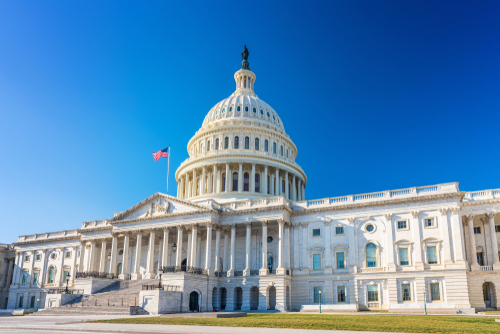 To rescind certain balances made available to the Internal Revenue Service (HR 23) – Introduced by Rep. Adrian Smith (R-NE) on Jan. 9, this bill would rescind funds allocated to the Internal Revenue Service by the Inflation Reduction Act of 2022. The bill is designed to “defund” specific enforcement activities, operational support, enhancement to the e-file tax return system, and allocations to the U.S. Tax Court and other Department of the Treasury tax agencies. The bill passed in the House on Jan. 9 and has moved to the Senate,
  Respect for Marriage Act (HR 8404) – Introduced by Sen. Jerry Nadler (D-NY) on July 18, this Act replaces previous provisions that defined marriage as strictly between a man and a woman. It codifies marriage to state that a spouse may be a person of the opposite sex as long as the contract between the two individuals is valid under state law, and prohibits any state from denying out-of-state marriages on the basis of sex, race, ethnicity or national origin. The bill passed in the Senate on Nov. 29 and the final bill passed in the House on Dec. 8. President Biden signed the Act into law on Dec. 13.
 Disaster Resiliency Planning Act (S 3510) – Introduced by Sen. Gary Peters (D-MI) on Jan. 13,this Act details guidelines for federal agencies to incorporate natural disaster resilience with regard to real property asset management and investment decisions. The bill passed in the Senate on June 22, in the House on Nov. 14 and is awaiting signature by President Biden.
 Planning for Animal Wellness Act /PAW Act (S 4205) – Introduced by Sen. Gary Peters (D-MI) on May 12, this act instructs the Federal Emergency Management Agency (FEMA) to compile best practices and federal guidance for handling household pets, service and assistance animals and captive animals during emergencies and disasters. Initiatives include preparedness (e.g., sheltering and evacuation planning), response and recovery.The bill passed in the Senate on Aug. 6, in the House on Sept. 14 and was signed into law on Oct. 17 by President Biden.
 Eliminating Limits to Justice for Child Sex Abuse Victims Act of 2022 (S 3103) – Introduced by Sen. Richard Durbin (D-IL) on Oct. 28, 2021, this Act eliminates the statute of limitations for civil lawsuits by anyone who, as a minor, was a victim of human trafficking or a federal sex crime. The bill passed in the Senate on March 2, in the House on Sept. 13, and was signed into law on Sept. 16 by President Biden.
 Inflation Reduction Act of 2022 (HR 5376) – This legislation was originally introduced as the Build Back Better Act, President Biden’s signature bill of 2021. After suffering defeat in the Senate, the bill was later revised with fewer provisions to enhance its likelihood of passage, and renamed the Inflation Reduction Act. The bill authorizes funding for investments in domestic energy production and manufacturing with the goal of reducing U.S. carbon emissions by 40 percent by 2030. The bill provides tax credits for clean energy home enhancements and electric vehicle purchases, permits Medicare to negotiate prescription drug prices,and extendslower healthcare premiums for insurance purchased via the Affordable Care Act program through 2025. Also billed as a deficit reduction tool, the legislation imposes a minimum 15 percent corporate tax rate on large businesses with more than $1 billion in reported income, and a 1 percent excise tax on corporate stock buybacks. Furthermore, the bill increases previously reduced funding for the IRS in order to help track down and recoup taxes unlawfully skirted by high income earners. Initially introduced on Sept. 27, 2021, the Act was passed by both the House and the Senate in August and signed into law on Aug. 16.