The coming shakeup of the executive branch, along with Republican control of both houses of Congress, means tax changes are highly likely in 2025 and beyond. Positioning for new and amended tax provisions is already off to the races.
Regardless of the political landscape, on rare occasions, some measures have broad bipartisan support. One such bill is called the Methane Reduction and Economic Growth Act. It proposes adding a new credit for sequestering “qualified” methane from mining activities.
Looking Ahead To 2025
Proponents of the Methane Reduction and Economic Growth Act hope the tax credit will have a beneficial economic impact and create jobs. The idea is to capture and utilize the methane for productive industrial uses or as an alternative for heating buildings. The methane emitted by mines that qualify have long lifespans, with some abandoned mines emitting methane for up to 100 years. The long lifespan of the methane source is hoped to support the significant capital investment required to get the process up and running.
There is also significant potential for job creation in areas most impacted by the shutdown of coal-fired power plants, which in turn devastated the coal mining industry. The concept of using mine methane as an energy source could support rural American jobs.
Landscape and Potential for the Credit
There is a lot of mine methane to capture, with most not currently being captured. The U.S. government estimates abandoned coal mines produce about 237,000 metric tons annually. This methane has many potential uses, including hydrogen production.
Details on the New Subsection
The new section of 45Q credits would be based on the quantity of qualified methane that is sequestered. The captured methane must then be sent to the pipeline and used for producing heat or electricity. To be considered “qualified methane,” it must be captured from certain types of mines, including closed, abandoned, and surface mines. Finally, the methane captured must have otherwise been sent into the atmosphere if it had not been for the capture equipment activity.
Only qualified facilities may obtain the credit. Among other factors, the taxpayer needs to capture a minimum of 2,500 metric tons of methane each year to qualify. There are a lot more technical regulatory requirements related to the specific nature of methane capture, but those are beyond the scope of this article.
Conclusion
Typically, tax bills are split down the aisle based on political partisanship. This makes the passage of tax legislation difficult at best due to competing interests and a divided government. The tax credits related to methane capture, however, appear to be unusually bipartisan in nature. This is due to the unique intersection of democratic support from an environmental and climate perspective, meeting with Republican interest to support economic development in rural coal mining areas where the industry has been devastated. Put these two interests together, and you have the makings for a widely supported bipartisan bill that is very likely to pass.
Energy Tax Credit Changes For 2025
December 1, 2024 · Blog, Guest Article of the Month
⏱ 3 min read
The coming shakeup of the executive branch, along with Republican control of both houses of Congress, means tax changes are highly likely in 2025 and beyond. Positioning for new and amended tax provisions is already off to the races.
Regardless of the political landscape, on rare occasions, some measures have broad bipartisan support. One such bill is called the Methane Reduction and Economic Growth Act. It proposes adding a new credit for sequestering “qualified” methane from mining activities.
Looking Ahead To 2025
Proponents of the Methane Reduction and Economic Growth Act hope the tax credit will have a beneficial economic impact and create jobs. The idea is to capture and utilize the methane for productive industrial uses or as an alternative for heating buildings. The methane emitted by mines that qualify have long lifespans, with some abandoned mines emitting methane for up to 100 years. The long lifespan of the methane source is hoped to support the significant capital investment required to get the process up and running.
There is also significant potential for job creation in areas most impacted by the shutdown of coal-fired power plants, which in turn devastated the coal mining industry. The concept of using mine methane as an energy source could support rural American jobs.
Landscape and Potential for the Credit
There is a lot of mine methane to capture, with most not currently being captured. The U.S. government estimates abandoned coal mines produce about 237,000 metric tons annually. This methane has many potential uses, including hydrogen production.
Details on the New Subsection
The new section of 45Q credits would be based on the quantity of qualified methane that is sequestered. The captured methane must then be sent to the pipeline and used for producing heat or electricity. To be considered “qualified methane,” it must be captured from certain types of mines, including closed, abandoned, and surface mines. Finally, the methane captured must have otherwise been sent into the atmosphere if it had not been for the capture equipment activity.
Only qualified facilities may obtain the credit. Among other factors, the taxpayer needs to capture a minimum of 2,500 metric tons of methane each year to qualify. There are a lot more technical regulatory requirements related to the specific nature of methane capture, but those are beyond the scope of this article.
Conclusion
Typically, tax bills are split down the aisle based on political partisanship. This makes the passage of tax legislation difficult at best due to competing interests and a divided government. The tax credits related to methane capture, however, appear to be unusually bipartisan in nature. This is due to the unique intersection of democratic support from an environmental and climate perspective, meeting with Republican interest to support economic development in rural coal mining areas where the industry has been devastated. Put these two interests together, and you have the makings for a widely supported bipartisan bill that is very likely to pass.
Disclaimer
These articles provide general information on tax, accounting, and financial topics for small businesses and individuals. They are educational in nature and are not specific legal, accounting, financial, tax, or other professional advice, and should not be relied upon as such. This content was prepared by Service2Client and may have been reviewed or edited by the website owner for accuracy and compliance. Look for a trust mark below for verification details. No representation is made that any approach described will achieve a particular result, and no regulatory or professional body has reviewed or endorsed this content. Because each situation is different, readers should consult a qualified professional about their specific circumstances before acting. Images accompanying these articles are protected by copyright and may not be copied or reused.
All bills not enacted by the end of the 118th congressional session on Jan. 3, 2025, will expire.
Social Security Fairness Act of 2023 (HR 82) – This bill, with 330 bipartisan sponsors and a similar bill in the Senate, was introduced by Rep. Garret Graves (R-LA) on Jan. 9, 2023. It passed in the House on Nov. 12 of this year and is likely to pass in the Senate before the year’s end. The purpose of the bill is to eliminate the government pension offset that reduces Social Security benefits for individuals who receive other benefits, such as a pension from a state or local government. In the private sector, this would have a similar effect to withholding Social Security from people who have a 401(k). The bill would also repeal provisions that reduce Social Security benefits for spouses and widows/ers who receive their own government pensions. The provisions of the bill would be retroactive to the beginning of 2024.
BOLIVAR Act (HR 825) – This legislation prohibits the head of an executive agency to enter into a contract for the procurement of goods or services with any person that has business operations with the Maduro regime in Venezuela. The act was introduced on Feb. 2, 2023, by Rep. Michael Waltz (R-OH). It passed in the House on Nov. 18, and its fate currently lies with the Senate.
Vote by Mail Tracking Act (HR 5658) – This bill would require mail-in ballots to use the Postal Service barcode and an Official Election Mail logo. It passed in the House on Nov. 18 and is under consideration in the Senate. The bill was introduced by Rep. Katie Porter (D-CA) on Sept. 21, 2023.
Find and Protect Foster Youth Act (S 1146) – This act was introduced on March 30, 2023, by Sen. John Cornyn (R-TX). It would amend a provision of the Social Security Act to require the Department of Health and Human Services to eliminate obstacles to identifying and responding to reports of missing foster care children. Furthermore, it would assist in the assessment and screening of children who are at risk of becoming victims of sex trafficking, as well as identify best practices for effective interventions. The bipartisan bill passed in the House on Nov. 18 and is currently in the Senate.
Billion Dollar Boondoggle Act of 2023 (S 1228) – This bill was introduced by Sen. Joni Ernst (R-IA) on April 25, 2023. The bill would require the director of the Office of Management and Budget to submit an annual report to Congress detailing projects that are over budget and behind schedule. This is a bipartisan bill that has passed in both the Senate and the House, but on July 22, the House made changes and sent it back to the Senate, where it currently resides.
Rural Broadband Protection Act of 2024 (S 275) – Introduced by Sen. Shelley Moore Capito (R-WV) on Feb. 7, 2023, this bill would require the Federal Communications Commission (FCC) to vet applicants for funding of affordable broadband deployment in high-cost areas (including rural communities). The FCC would mandate a process, including a detailed proposal with technical capabilities to provide competitive awards for implementing the broadband network services. The FCC would then assess proposals in line with well-established technical standards. The bill passed the Senate on Sept. 25 and is currently with the House.
Making Pensions Equitable, Protecting Foster Kids, Mail-in Votes and Tracking Government Spending
December 1, 2024 · Blog, Congress at Work
⏱ 3 min read
All bills not enacted by the end of the 118th congressional session on Jan. 3, 2025, will expire.
Social Security Fairness Act of 2023 (HR 82) – This bill, with 330 bipartisan sponsors and a similar bill in the Senate, was introduced by Rep. Garret Graves (R-LA) on Jan. 9, 2023. It passed in the House on Nov. 12 of this year and is likely to pass in the Senate before the year’s end. The purpose of the bill is to eliminate the government pension offset that reduces Social Security benefits for individuals who receive other benefits, such as a pension from a state or local government. In the private sector, this would have a similar effect to withholding Social Security from people who have a 401(k). The bill would also repeal provisions that reduce Social Security benefits for spouses and widows/ers who receive their own government pensions. The provisions of the bill would be retroactive to the beginning of 2024.
BOLIVAR Act (HR 825) – This legislation prohibits the head of an executive agency to enter into a contract for the procurement of goods or services with any person that has business operations with the Maduro regime in Venezuela. The act was introduced on Feb. 2, 2023, by Rep. Michael Waltz (R-OH). It passed in the House on Nov. 18, and its fate currently lies with the Senate.
Vote by Mail Tracking Act (HR 5658) – This bill would require mail-in ballots to use the Postal Service barcode and an Official Election Mail logo. It passed in the House on Nov. 18 and is under consideration in the Senate. The bill was introduced by Rep. Katie Porter (D-CA) on Sept. 21, 2023.
Find and Protect Foster Youth Act (S 1146) – This act was introduced on March 30, 2023, by Sen. John Cornyn (R-TX). It would amend a provision of the Social Security Act to require the Department of Health and Human Services to eliminate obstacles to identifying and responding to reports of missing foster care children. Furthermore, it would assist in the assessment and screening of children who are at risk of becoming victims of sex trafficking, as well as identify best practices for effective interventions. The bipartisan bill passed in the House on Nov. 18 and is currently in the Senate.
Billion Dollar Boondoggle Act of 2023 (S 1228) – This bill was introduced by Sen. Joni Ernst (R-IA) on April 25, 2023. The bill would require the director of the Office of Management and Budget to submit an annual report to Congress detailing projects that are over budget and behind schedule. This is a bipartisan bill that has passed in both the Senate and the House, but on July 22, the House made changes and sent it back to the Senate, where it currently resides.
Rural Broadband Protection Act of 2024 (S 275) – Introduced by Sen. Shelley Moore Capito (R-WV) on Feb. 7, 2023, this bill would require the Federal Communications Commission (FCC) to vet applicants for funding of affordable broadband deployment in high-cost areas (including rural communities). The FCC would mandate a process, including a detailed proposal with technical capabilities to provide competitive awards for implementing the broadband network services. The FCC would then assess proposals in line with well-established technical standards. The bill passed the Senate on Sept. 25 and is currently with the House.
Disclaimer
These articles provide general information on tax, accounting, and financial topics for small businesses and individuals. They are educational in nature and are not specific legal, accounting, financial, tax, or other professional advice, and should not be relied upon as such. This content was prepared by Service2Client and may have been reviewed or edited by the website owner for accuracy and compliance. Look for a trust mark below for verification details. No representation is made that any approach described will achieve a particular result, and no regulatory or professional body has reviewed or endorsed this content. Because each situation is different, readers should consult a qualified professional about their specific circumstances before acting. Images accompanying these articles are protected by copyright and may not be copied or reused.
The holiday season is when most people go on shopping sprees and travel. This season also witnesses a surge in online activities in today’s digital world. Unfortunately, cybercriminals take advantage of this period to launch attacks. Therefore, cybersecurity should be the top priority for a business gearing up for peak sales or a shopper looking for the best deal.
Understanding Holiday Cyber Threats
Businesses and consumers face unique challenges during the holiday season. For businesses, the increase in traffic and online transactions can overwhelm systems. This may make them vulnerable to attacks. Cybercriminals may use tactics such as ransomware, phishing scams and fraudulent transactions during the busy season. Consumers, on the other hand, get lured by malicious ads, fake websites and phishing emails that may appear as irresistible holiday deals.
Recognizing these risks is important to staying safe for both businesses and consumers. Understanding them also means taking proactive measures to reduce exposure to cyber threats.
Why Cybersecurity Matters
The lack of effective cybersecurity can lead to financial loss, reputational damage and disruption to a businesses’ operations. On the other hand, consumers face identity theft, unauthorized purchases and compromised financial accounts.
According to the Retail and Hospitality Information Sharing and Analysis Center (RH-ISAC), threats such as ransomware, phishing, and account takeover (ATO) attacks intensify as consumer activity surges. In their 2024 Holiday Season Cyber Threat Trends Report, RH-ISAC emphasizes proactive defense measures, especially during high-traffic periods like the holiday season.
Cybersecurity Best Practices for Businesses
Security measures for businesses include:
Set up a holiday strategy – over the long holidays, businesses tend to have a change in work schedules and fewer staff members. Having a holiday cybersecurity strategy can safeguard against potential cyber threats. This can include an emergency response plan and designating responsible individuals for cybersecurity.
Endpoint security – this involves protecting devices like computers and smartphones used in the business. It is important to update all software, install antivirus programs and enable firewalls to shield the business network from intrusions.
Employee training – human error is one of the leading causes of data breaches. Therefore, it is important to educate staff to recognize phishing attempts. They should also know the importance of strong passwords and reporting suspicious activity.
Monitoring systems for unusual activity – This requires a business to invest in tools that help detect suspicious behavior in its networks. This should include fraud detection systems that will help identify unusual transaction patterns. It also helps detect potential compromises from third-party vendors.
Backup and recovery plan – business continuity in case of an attack is crucial. Therefore, a business should ensure that data is regularly backed up and stored securely. It also helps to test the recovery process regularly.
Cybersecurity Best Practices for Shoppers
Consumers are not immune to holiday cyber-attacks. A consumer must keep the following in mind:
Shop from secure websites – shoppers should be cautious by checking website security. They should check that a website includes “https://” and a padlock icon in the URL. Also, confirm the correct name of the website. It is also important to avoid clicking on links from unsolicited emails or social media ads. This is a common phishing tactic.
Use secure payment methods – a credit card provides better fraud protection than a debit card. Consider digital wallets that have an extra layer of encryption. It is also crucial to avoid saving payment details on websites.
Avoid public wi-fi – shopping on the go may see some shoppers use public networks. These networks expose data to hackers.
Be wary of emails and messages with deals that sound too good to be true. Always verify sender authentication and, where necessary, contact the company directly.
Be cautious about unexpected package notifications. Unexpected package notifications can be a phishing tactic to steal personal information or install malware. Always verify the sender and avoid clicking on links in unsolicited messages.
Be cautious of holiday scams like fake charities, gift card scams and fake gift exchanges that prey on the season’s generosity and excitement. Scammers may trick customers into buying gift cards or sharing personal details through fraudulent schemes. Staying skeptical of unsolicited offers and never sharing sensitive information with unverified sources will help ward off cybercriminal attacks.
Activate multi-factor authentication (MFA) – adding MFA creates an extra layer of security for highly sensitive accounts such as email, bank, and work-related logins.
Closing Thoughts
The holiday season is meant to be a time of celebration and connection, not worry and stress. By implementing robust cybersecurity practices, businesses can protect their operations and customers while shoppers enjoy safe, hassle-free transactions.
Cybersecurity Best Practices for the Holiday Season
December 1, 2024 · Blog, What's New in Technology
⏱ 4 min read
The holiday season is when most people go on shopping sprees and travel. This season also witnesses a surge in online activities in today’s digital world. Unfortunately, cybercriminals take advantage of this period to launch attacks. Therefore, cybersecurity should be the top priority for a business gearing up for peak sales or a shopper looking for the best deal.
Understanding Holiday Cyber Threats
Businesses and consumers face unique challenges during the holiday season. For businesses, the increase in traffic and online transactions can overwhelm systems. This may make them vulnerable to attacks. Cybercriminals may use tactics such as ransomware, phishing scams and fraudulent transactions during the busy season. Consumers, on the other hand, get lured by malicious ads, fake websites and phishing emails that may appear as irresistible holiday deals.
Recognizing these risks is important to staying safe for both businesses and consumers. Understanding them also means taking proactive measures to reduce exposure to cyber threats.
Why Cybersecurity Matters
The lack of effective cybersecurity can lead to financial loss, reputational damage and disruption to a businesses’ operations. On the other hand, consumers face identity theft, unauthorized purchases and compromised financial accounts.
According to the Retail and Hospitality Information Sharing and Analysis Center (RH-ISAC), threats such as ransomware, phishing, and account takeover (ATO) attacks intensify as consumer activity surges. In their 2024 Holiday Season Cyber Threat Trends Report, RH-ISAC emphasizes proactive defense measures, especially during high-traffic periods like the holiday season.
Cybersecurity Best Practices for Businesses
Security measures for businesses include:
Set up a holiday strategy – over the long holidays, businesses tend to have a change in work schedules and fewer staff members. Having a holiday cybersecurity strategy can safeguard against potential cyber threats. This can include an emergency response plan and designating responsible individuals for cybersecurity.
Endpoint security – this involves protecting devices like computers and smartphones used in the business. It is important to update all software, install antivirus programs and enable firewalls to shield the business network from intrusions.
Employee training – human error is one of the leading causes of data breaches. Therefore, it is important to educate staff to recognize phishing attempts. They should also know the importance of strong passwords and reporting suspicious activity.
Monitoring systems for unusual activity – This requires a business to invest in tools that help detect suspicious behavior in its networks. This should include fraud detection systems that will help identify unusual transaction patterns. It also helps detect potential compromises from third-party vendors.
Backup and recovery plan – business continuity in case of an attack is crucial. Therefore, a business should ensure that data is regularly backed up and stored securely. It also helps to test the recovery process regularly.
Cybersecurity Best Practices for Shoppers
Consumers are not immune to holiday cyber-attacks. A consumer must keep the following in mind:
Shop from secure websites – shoppers should be cautious by checking website security. They should check that a website includes “https://” and a padlock icon in the URL. Also, confirm the correct name of the website. It is also important to avoid clicking on links from unsolicited emails or social media ads. This is a common phishing tactic.
Use secure payment methods – a credit card provides better fraud protection than a debit card. Consider digital wallets that have an extra layer of encryption. It is also crucial to avoid saving payment details on websites.
Avoid public wi-fi – shopping on the go may see some shoppers use public networks. These networks expose data to hackers.
Be wary of emails and messages with deals that sound too good to be true. Always verify sender authentication and, where necessary, contact the company directly.
Be cautious about unexpected package notifications. Unexpected package notifications can be a phishing tactic to steal personal information or install malware. Always verify the sender and avoid clicking on links in unsolicited messages.
Be cautious of holiday scams like fake charities, gift card scams and fake gift exchanges that prey on the season’s generosity and excitement. Scammers may trick customers into buying gift cards or sharing personal details through fraudulent schemes. Staying skeptical of unsolicited offers and never sharing sensitive information with unverified sources will help ward off cybercriminal attacks.
Activate multi-factor authentication (MFA) – adding MFA creates an extra layer of security for highly sensitive accounts such as email, bank, and work-related logins.
Closing Thoughts
The holiday season is meant to be a time of celebration and connection, not worry and stress. By implementing robust cybersecurity practices, businesses can protect their operations and customers while shoppers enjoy safe, hassle-free transactions.
Disclaimer
These articles provide general information on tax, accounting, and financial topics for small businesses and individuals. They are educational in nature and are not specific legal, accounting, financial, tax, or other professional advice, and should not be relied upon as such. This content was prepared by Service2Client and may have been reviewed or edited by the website owner for accuracy and compliance. Look for a trust mark below for verification details. No representation is made that any approach described will achieve a particular result, and no regulatory or professional body has reviewed or endorsed this content. Because each situation is different, readers should consult a qualified professional about their specific circumstances before acting. Images accompanying these articles are protected by copyright and may not be copied or reused.
Yep, it’s the end of another year! Chances are, you didn’t keep every resolution you made last year, for example, those goals about working out. (No shame here; we all do this!) However, the good news is that your fiscal goals can be a bit easier to achieve. Here are a few financial resolutions that are no-brainers, simple, and, best of all, no sweat.
Get a snapshot of your net worth. This is critical. Sit down and calculate this. When you know how much you have in terms of assets and liabilities, you can more easily determine where you need to make changes to your budget. For instance, this might be spending less on dining out and stocking more away in savings and investments. Understanding how much you have to work with is the first step to reaching your goals.
Pay off credit cards. This might well be an ongoing task, but the end of the year is a great time to take a breath, make a plan, and hit the ground running in the new year. If you have high-interest cards, look for limited-time, lower-interest and/or zero-interest cards. Some lenders will even give you as long as 21 months without interest. If you find yourself using credit cards more than you like, another way to get a handle on this is to use cash when you’re out at stores and restaurants. Seeing the dollars actually leaving your hands as opposed to just swiping your plastic might give you a needed dose of reality.
Update your savings goals. If you want to easily increase your savings, choose an amount and have it auto-drafted from your paycheck or checking account into your savings every month. This way, you’ll learn to live on the amount you have left. When you never see the amount you’re tucking away, you won’t miss it.
Review and reset your investments. Take some time to pull together all your assets: IRAs, retirement accounts, and employer 401(k) plans. If you can contribute more to any of these, all the better. For 401(k)s, the IRS just announced a cost-of-living adjustment for retirement plans and IRAs – the 401(k) contribution limit for 2025 is $23,500, up from $23,000 in 2024. However, individual retirement account (IRA) contributions will continue to be $7,000 in 2025, the same as in 2024. If you’re over 50, here’s some good news: You’ll be able to make even larger catch-up contributions than other workers because of a provision in Secure 2.0, a federal retirement law. Beginning in 2025, employees aged 60, 61, 62, or 63 who participate in workplace retirement plans can make catch-up contributions of up to $11,250.
Take a look at your credit report. This is key. You’re entitled to one free credit report a year from each of the three credit agencies, so doing this is easy peasy. Pull up your report and give it a look-see. If you see anything negative, take action to repair it. If there are any errors, correct them asap. To get started, go to AnnualCreditReport.com.
While there are many other money-related resolutions you can make, starting with ones that take minimal effort while yielding maximum results is a good place to begin, not to mention, a great way ease into the new year.
5 New Year’s Financial Resolutions You Can Actually Keep
December 1, 2024 · Blog, Tip of the Month
⏱ 3 min read
Yep, it’s the end of another year! Chances are, you didn’t keep every resolution you made last year, for example, those goals about working out. (No shame here; we all do this!) However, the good news is that your fiscal goals can be a bit easier to achieve. Here are a few financial resolutions that are no-brainers, simple, and, best of all, no sweat.
Get a snapshot of your net worth. This is critical. Sit down and calculate this. When you know how much you have in terms of assets and liabilities, you can more easily determine where you need to make changes to your budget. For instance, this might be spending less on dining out and stocking more away in savings and investments. Understanding how much you have to work with is the first step to reaching your goals.
Pay off credit cards. This might well be an ongoing task, but the end of the year is a great time to take a breath, make a plan, and hit the ground running in the new year. If you have high-interest cards, look for limited-time, lower-interest and/or zero-interest cards. Some lenders will even give you as long as 21 months without interest. If you find yourself using credit cards more than you like, another way to get a handle on this is to use cash when you’re out at stores and restaurants. Seeing the dollars actually leaving your hands as opposed to just swiping your plastic might give you a needed dose of reality.
Update your savings goals. If you want to easily increase your savings, choose an amount and have it auto-drafted from your paycheck or checking account into your savings every month. This way, you’ll learn to live on the amount you have left. When you never see the amount you’re tucking away, you won’t miss it.
Review and reset your investments. Take some time to pull together all your assets: IRAs, retirement accounts, and employer 401(k) plans. If you can contribute more to any of these, all the better. For 401(k)s, the IRS just announced a cost-of-living adjustment for retirement plans and IRAs – the 401(k) contribution limit for 2025 is $23,500, up from $23,000 in 2024. However, individual retirement account (IRA) contributions will continue to be $7,000 in 2025, the same as in 2024. If you’re over 50, here’s some good news: You’ll be able to make even larger catch-up contributions than other workers because of a provision in Secure 2.0, a federal retirement law. Beginning in 2025, employees aged 60, 61, 62, or 63 who participate in workplace retirement plans can make catch-up contributions of up to $11,250.
Take a look at your credit report. This is key. You’re entitled to one free credit report a year from each of the three credit agencies, so doing this is easy peasy. Pull up your report and give it a look-see. If you see anything negative, take action to repair it. If there are any errors, correct them asap. To get started, go to AnnualCreditReport.com.
While there are many other money-related resolutions you can make, starting with ones that take minimal effort while yielding maximum results is a good place to begin, not to mention, a great way ease into the new year.
These articles provide general information on tax, accounting, and financial topics for small businesses and individuals. They are educational in nature and are not specific legal, accounting, financial, tax, or other professional advice, and should not be relied upon as such. This content was prepared by Service2Client and may have been reviewed or edited by the website owner for accuracy and compliance. Look for a trust mark below for verification details. No representation is made that any approach described will achieve a particular result, and no regulatory or professional body has reviewed or endorsed this content. Because each situation is different, readers should consult a qualified professional about their specific circumstances before acting. Images accompanying these articles are protected by copyright and may not be copied or reused.
What do you consider to be your purpose in this world? Few people think about their life that way. In Japan, they call it your ikigai. In France, they refer to your raison d’etre. For Americans, that roughly translates to your purpose in life or your reason for being.
It’s easy to consider your family or even your career as your reason to live. But true embracement of the ikigai concept is more of a lifestyle, not a specific person, place or thing.
Your purpose may not even be something you’ve pursued in your adult life. Many of us follow the socially expected path: higher education, a good job, a rewarding career, marriage, home, and family. But those things are not everyone’s raison d’etre. They might wake up one morning thinking that once they’ve achieved all those goals, they will finally get the chance to do the one they’ve always wanted. What is that?
The older we get, the more we lose a spouse or life partner, siblings, or children – and those who retire no longer have work to feel fulfilled. As part of your retirement planning effort, consider life without any of those things. How would you bear it? If you outlive your career and loved ones, what would you do?
Note that your ikigai does not insulate you from bad things happening. Instead, it’s the thing you look forward to when the smoke clears: the light at the end of the tunnel. On balance, it’s the thing that helps get you through the pain and restores happiness. In fact, discovering your raison d’etre can help you better cope with stress and loss. People who pursue their ikigai tend to have better mental health, experience fewer chronic diseases, and are more likely to live longer.
Oftentimes ikigai is felt as part of a process. For example, the joy of mixing ingredients to prepare baked goods or a meal. Planting a garden. Rebuilding an engine. It can be the process of writing or painting or playing an instrument, but not necessarily finishing a novel or singing in public. It can be as simple as finding joy in daily activities, nurturing relationships or doing community service.
Another advantage to ikigai is that it can connect you with other people who share your passion, which can be very important as you grow older and more isolated. By leaning into your ikigai, you could expand your social network with connections that are meaningful and fulfilling.
For some people, their raison d’etre is spiritual. A belief and perhaps a greater connection to a higher being. They may wish to spend more time becoming involved in church activities, reading scripture that supports their religion, or even exploring other religions.
The Japanese culture believes that each individual has an inherent ikigai based on their personal values and beliefs. One way to think about it is as your philosophy on life. Since this step is a part of retirement planning, it is fortunate that you have lived long enough to have developed some philosophies on life.
For example, some people discover that family does not just consist of blood relatives. Instead, their concept of family is people who are there through good and bad times, who always show love and respect, who you can rely on. Those things might not always be true among family members who meet the traditional definition. This type of ikigai may help you recognize that the death of loved ones does not necessarily mean you lose your family. You can always build and add to your family (e.g., neighbors and friends, fostering children or pets, big brother/big sister programs).
How Do You Find Your Ikigai??
Many times, the hustle and bustle of life keeps us from finding our true purpose. We proceed as loyal soldiers down a path prescribed by society instead of pursuing things that may bring us greater happiness. There’s nothing wrong with a career and family, but there is likely something more that each of us can pursue that is personal and soul-enriching. Sometimes, you can discover your raison d’etre by exploring your passions, values, strengths, and skills. For example, ask yourself the following questions:
When I was a child, I loved doing…
If money didn’t matter, I would be…
If I believed I could not fail, I would…
I completely lose track of time when I am…
I am most happy with who I am when I…
I am really good at…
If I didn’t care what others thought, I would…
In my free time, I love to…
If I had only six months to live, I would spend my time…
If I were to die tomorrow, I would regret that I did not…
Consider hobbies or classes that you’ve always wanted to try or past experiences or achievements that gave you a sense of satisfaction and fulfillment. Recall where you have found inspiration in the past, and pinpoint what lies at the cross-section of doing what you love and doing what you’re good at.
Remember that your reason for living is more of a journey, not a destination. Finding your ikigai may take a lifetime to discover, so don’t be afraid to try out different pursuits. In fact, your reason for being may simply be to try new things.
Pre-Retirement Planning Guide – Finding Purpose In Life
December 1, 2024 · Blog, Financial Planning
⏱ 5 min read
Step 7: Find Your Raison d’Etre
What do you consider to be your purpose in this world? Few people think about their life that way. In Japan, they call it your ikigai. In France, they refer to your raison d’etre. For Americans, that roughly translates to your purpose in life or your reason for being.
It’s easy to consider your family or even your career as your reason to live. But true embracement of the ikigai concept is more of a lifestyle, not a specific person, place or thing.
Your purpose may not even be something you’ve pursued in your adult life. Many of us follow the socially expected path: higher education, a good job, a rewarding career, marriage, home, and family. But those things are not everyone’s raison d’etre. They might wake up one morning thinking that once they’ve achieved all those goals, they will finally get the chance to do the one they’ve always wanted. What is that?
The older we get, the more we lose a spouse or life partner, siblings, or children – and those who retire no longer have work to feel fulfilled. As part of your retirement planning effort, consider life without any of those things. How would you bear it? If you outlive your career and loved ones, what would you do?
Note that your ikigai does not insulate you from bad things happening. Instead, it’s the thing you look forward to when the smoke clears: the light at the end of the tunnel. On balance, it’s the thing that helps get you through the pain and restores happiness. In fact, discovering your raison d’etre can help you better cope with stress and loss. People who pursue their ikigai tend to have better mental health, experience fewer chronic diseases, and are more likely to live longer.
Oftentimes ikigai is felt as part of a process. For example, the joy of mixing ingredients to prepare baked goods or a meal. Planting a garden. Rebuilding an engine. It can be the process of writing or painting or playing an instrument, but not necessarily finishing a novel or singing in public. It can be as simple as finding joy in daily activities, nurturing relationships or doing community service.
Another advantage to ikigai is that it can connect you with other people who share your passion, which can be very important as you grow older and more isolated. By leaning into your ikigai, you could expand your social network with connections that are meaningful and fulfilling.
For some people, their raison d’etre is spiritual. A belief and perhaps a greater connection to a higher being. They may wish to spend more time becoming involved in church activities, reading scripture that supports their religion, or even exploring other religions.
The Japanese culture believes that each individual has an inherent ikigai based on their personal values and beliefs. One way to think about it is as your philosophy on life. Since this step is a part of retirement planning, it is fortunate that you have lived long enough to have developed some philosophies on life.
For example, some people discover that family does not just consist of blood relatives. Instead, their concept of family is people who are there through good and bad times, who always show love and respect, who you can rely on. Those things might not always be true among family members who meet the traditional definition. This type of ikigai may help you recognize that the death of loved ones does not necessarily mean you lose your family. You can always build and add to your family (e.g., neighbors and friends, fostering children or pets, big brother/big sister programs).
How Do You Find Your Ikigai??
Many times, the hustle and bustle of life keeps us from finding our true purpose. We proceed as loyal soldiers down a path prescribed by society instead of pursuing things that may bring us greater happiness. There’s nothing wrong with a career and family, but there is likely something more that each of us can pursue that is personal and soul-enriching. Sometimes, you can discover your raison d’etre by exploring your passions, values, strengths, and skills. For example, ask yourself the following questions:
When I was a child, I loved doing…
If money didn’t matter, I would be…
If I believed I could not fail, I would…
I completely lose track of time when I am…
I am most happy with who I am when I…
I am really good at…
If I didn’t care what others thought, I would…
In my free time, I love to…
If I had only six months to live, I would spend my time…
If I were to die tomorrow, I would regret that I did not…
Consider hobbies or classes that you’ve always wanted to try or past experiences or achievements that gave you a sense of satisfaction and fulfillment. Recall where you have found inspiration in the past, and pinpoint what lies at the cross-section of doing what you love and doing what you’re good at.
Remember that your reason for living is more of a journey, not a destination. Finding your ikigai may take a lifetime to discover, so don’t be afraid to try out different pursuits. In fact, your reason for being may simply be to try new things.
Disclaimer
These articles provide general information on tax, accounting, and financial topics for small businesses and individuals. They are educational in nature and are not specific legal, accounting, financial, tax, or other professional advice, and should not be relied upon as such. This content was prepared by Service2Client and may have been reviewed or edited by the website owner for accuracy and compliance. Look for a trust mark below for verification details. No representation is made that any approach described will achieve a particular result, and no regulatory or professional body has reviewed or endorsed this content. Because each situation is different, readers should consult a qualified professional about their specific circumstances before acting. Images accompanying these articles are protected by copyright and may not be copied or reused.
No matter the type of business or industry, being able to analyze and deduce patterns is essential to discovering a business’ financial health. Here are four commonly used calculations to help internal and external stakeholders determine an organization’s ability to manage its finances.
Break-Even Analysis
This formula analyzes fixed costs versus the profitability a business earns for every extra item it creates and sells.
Businesses that have smaller thresholds to meet their fixed costs to realize profitability have an easier break-even point to meet and exceed. Once the fixed costs threshold is satisfied and sales revenue outpaces variable costs, a business will know when it hits the break-even point.
Break Even Point (BEP) = Total Fixed Costs/(Price Per Unit – Variable Cost Per Unit)
This takes the total fixed costs divided by the price per individual unit minus each unit’s variable cost.
Examples of fixed costs are rent, taxes, insurance and wages. Examples of variable costs are raw materials, production supplies, utilities and packaging.
Another way to determine a company’s break-even point is as follows:
Contribution Margin = Item Price – Variable Cost Per Unit
This is illustrated by: $55 = ($85 – $30)
The item’s priced at $85, with a variable cost of $30, the contribution margin is $55 of how much revenue a company earns to pay for the remaining fixed costs.
Cash Ratio Formula
The cash ratio formula offers one way to look at a company’s liquidity position by comparing a company’s cash and cash equivalents to its current liabilities or debts due within the next 12 months. It shows how well positioned a business is (or is not) able to pay debts due within 12 months, and to satisfy the near-term obligations of its long-term debt.
It’s an important ratio that lenders look at when evaluating a company’s loan application. Instead of including assets such as accounts receivables, it factors in a business’ ability to take care of its financial obligations. It’s thought of as being a more real world look at how financially stable a business is.
This is defined as all income minus the cost of goods sold (COGS). COGS is comprised of expenses attributable to the creation of products, which include input materials and salaries for workers to produce such goods. However, it excludes expenses for taxes, overhead, debt, asset acquisitions, etc., among others. Another way to explain this calculation is to ask how much a business retains as profit once production costs are accounted for.
It’s calculated as follows: Gross Profit Margin = [(Net Sales – Cost of Goods Sold)/(New Sales)] x 100
Debt-to-Equity (D/E) Ratio
This is used to determine how much debt or financial leverage a company has on its books. It tells internal stakeholders and external parties what percentage of debt a company is using to operate compared to the business’ available operating reserves. This ratio contrasts a business’ complete financial obligations against its shareholder equity. Its primary use is to see how extensively it uses debt to operate.
It’s calculated as follows: Debt/Equity Ratio = Total Liabilities/Total Shareholders’ Equity.
While these calculations may seem straightforward, these are only a few examples of how businesses can calculate and analyze a company’s position – be it the owner, an employee or an outside lender or investor.
Common Business Accounting Calculations
December 1, 2024 · Blog, General Business News
⏱ 3 min read
No matter the type of business or industry, being able to analyze and deduce patterns is essential to discovering a business’ financial health. Here are four commonly used calculations to help internal and external stakeholders determine an organization’s ability to manage its finances.
Break-Even Analysis
This formula analyzes fixed costs versus the profitability a business earns for every extra item it creates and sells.
Businesses that have smaller thresholds to meet their fixed costs to realize profitability have an easier break-even point to meet and exceed. Once the fixed costs threshold is satisfied and sales revenue outpaces variable costs, a business will know when it hits the break-even point.
Break Even Point (BEP) = Total Fixed Costs/(Price Per Unit – Variable Cost Per Unit)
This takes the total fixed costs divided by the price per individual unit minus each unit’s variable cost.
Examples of fixed costs are rent, taxes, insurance and wages. Examples of variable costs are raw materials, production supplies, utilities and packaging.
Another way to determine a company’s break-even point is as follows:
Contribution Margin = Item Price – Variable Cost Per Unit
This is illustrated by: $55 = ($85 – $30)
The item’s priced at $85, with a variable cost of $30, the contribution margin is $55 of how much revenue a company earns to pay for the remaining fixed costs.
Cash Ratio Formula
The cash ratio formula offers one way to look at a company’s liquidity position by comparing a company’s cash and cash equivalents to its current liabilities or debts due within the next 12 months. It shows how well positioned a business is (or is not) able to pay debts due within 12 months, and to satisfy the near-term obligations of its long-term debt.
It’s an important ratio that lenders look at when evaluating a company’s loan application. Instead of including assets such as accounts receivables, it factors in a business’ ability to take care of its financial obligations. It’s thought of as being a more real world look at how financially stable a business is.
This is defined as all income minus the cost of goods sold (COGS). COGS is comprised of expenses attributable to the creation of products, which include input materials and salaries for workers to produce such goods. However, it excludes expenses for taxes, overhead, debt, asset acquisitions, etc., among others. Another way to explain this calculation is to ask how much a business retains as profit once production costs are accounted for.
It’s calculated as follows: Gross Profit Margin = [(Net Sales – Cost of Goods Sold)/(New Sales)] x 100
Debt-to-Equity (D/E) Ratio
This is used to determine how much debt or financial leverage a company has on its books. It tells internal stakeholders and external parties what percentage of debt a company is using to operate compared to the business’ available operating reserves. This ratio contrasts a business’ complete financial obligations against its shareholder equity. Its primary use is to see how extensively it uses debt to operate.
It’s calculated as follows: Debt/Equity Ratio = Total Liabilities/Total Shareholders’ Equity.
While these calculations may seem straightforward, these are only a few examples of how businesses can calculate and analyze a company’s position – be it the owner, an employee or an outside lender or investor.
Disclaimer
These articles provide general information on tax, accounting, and financial topics for small businesses and individuals. They are educational in nature and are not specific legal, accounting, financial, tax, or other professional advice, and should not be relied upon as such. This content was prepared by Service2Client and may have been reviewed or edited by the website owner for accuracy and compliance. Look for a trust mark below for verification details. No representation is made that any approach described will achieve a particular result, and no regulatory or professional body has reviewed or endorsed this content. Because each situation is different, readers should consult a qualified professional about their specific circumstances before acting. Images accompanying these articles are protected by copyright and may not be copied or reused.
Personal Income Tax Planning Strategies for Year-End 2024
As 2024 draws to a close, it’s the perfect time to review your personal income tax situation and implement strategies to minimize your tax liability for the year. Proactive year-end tax planning can lead to significant savings, as well as ensure that you take full advantage of tax credits, deductions and other opportunities available to you.
1. Maximize Contributions to Retirement Accounts
One of the most effective ways to reduce your taxable income is by contributing to tax-advantaged retirement accounts. In 2024, you may contribute up to $23,000 to a 401(k) or similar employer-sponsored plan, with an additional $7,500 catch-up contribution if you’re over age 50. These contributions are made pre-tax, meaning they reduce your taxable income for the year, potentially lowering your tax bill.
Similarly, if you’re eligible, consider contributing to an IRA. For 2024, the maximum contribution limit for a traditional IRA and/or Roth IRA is $7,000 ($8,000 if you’re 50 or older). Contributions to a traditional IRA may be tax-deductible depending on your income and whether you or your spouse are covered by an employer-sponsored retirement plan. If you’re not eligible for deductions due to income limits, consider a Roth IRA, where contributions are made after-tax, but qualified withdrawals in retirement are tax-free.
2. Take Advantage of Flexible Spending Accounts (FSAs) and Health Savings Accounts (HSAs)
If your employer offers a Flexible Spending Account (FSA), use the remainder of your FSA funds before they expire. FSAs allow you to put away pre-tax money to cover medical expenses, and the limit for 2024 is $3,200. Depending on your employer’s plan, unused funds may be forfeited after the year-end, although some plans may offer a grace period or carryover option for a small portion of the balance.
For those eligible for a Health Savings Account (HSA), contributing the maximum allowable amount can provide immediate tax savings. For 2024, the HSA contribution limit is $4,150 for individuals and $8,300 for families, with an additional $1,000 catch-up contribution for individuals age 55 or older.
3. Harvest Capital Losses
If you’ve realized capital gains in 2024, it may be beneficial to offset those gains with capital losses. Known as tax-loss harvesting, this strategy involves selling investments that have declined in value to realize losses, which can be used to offset your capital gains. If your capital losses exceed your gains, you can use the remaining losses to offset up to $3,000 of ordinary income ($1,500 if married and filing separately).
Make sure to consider the “wash sale” rule, which disallows a deduction if you buy the same or substantially identical security within 30 days of selling at a loss. This rule is meant to prevent taxpayers from selling assets for tax benefits and then repurchasing the same assets immediately.
4. Bunch Charitable Contributions
If you’re planning to make charitable donations, consider bunching your contributions into one year to exceed the standard deduction threshold. This strategy allows you to itemize deductions for one year by making larger charitable contributions in a single year while taking the standard deduction in the following year. The standard deduction for 2024 is $29,200 for married couples filing jointly and $14,600 for single filers, which means if your itemized deductions do not exceed these amounts, you may benefit from grouping two or more years’ worth of charitable donations into one year.
5. Review Your Tax Withholding
As the year ends, review your tax withholding to ensure you’re not over- or under-paying throughout the year. If you’ve had a major life change in 2024, such as marriage, divorce, a child or a new job, adjusting your withholding can prevent underpayment penalties or a large tax bill. You can use the IRS Tax Withholding Estimator tool to assess whether your withholding is on track or, if necessary, submit a new Form W-4 to adjust your withholding for the final paychecks of the year.
6. Plan for Estimated Taxes if Self-Employed
For self-employed individuals, it’s important to ensure you’ve made sufficient estimated tax payments throughout the year. If you expect to owe additional taxes for 2024, you may want to increase your final estimated payment by Jan. 15, 2025, to avoid penalties. You can calculate your estimated tax liability using Form 1040-ES.
Conclusion
Tax planning is an essential part of personal finance. With 2024 coming to an end, it’s the right time to review your finances and take advantage of available tax-saving opportunities. By maximizing retirement account contributions, considering tax-loss harvesting and utilizing other year-end strategies, you can minimize your tax burden and keep more of your hard-earned income. Be sure to consult with a tax professional to tailor these strategies to your unique financial situation and ensure you’re in the best possible position for the year ahead.
Tax Planning 2024
December 1, 2024 · Blog, Tax and Financial News
⏱ 4 min read
Personal Income Tax Planning Strategies for Year-End 2024
As 2024 draws to a close, it’s the perfect time to review your personal income tax situation and implement strategies to minimize your tax liability for the year. Proactive year-end tax planning can lead to significant savings, as well as ensure that you take full advantage of tax credits, deductions and other opportunities available to you.
1. Maximize Contributions to Retirement Accounts
One of the most effective ways to reduce your taxable income is by contributing to tax-advantaged retirement accounts. In 2024, you may contribute up to $23,000 to a 401(k) or similar employer-sponsored plan, with an additional $7,500 catch-up contribution if you’re over age 50. These contributions are made pre-tax, meaning they reduce your taxable income for the year, potentially lowering your tax bill.
Similarly, if you’re eligible, consider contributing to an IRA. For 2024, the maximum contribution limit for a traditional IRA and/or Roth IRA is $7,000 ($8,000 if you’re 50 or older). Contributions to a traditional IRA may be tax-deductible depending on your income and whether you or your spouse are covered by an employer-sponsored retirement plan. If you’re not eligible for deductions due to income limits, consider a Roth IRA, where contributions are made after-tax, but qualified withdrawals in retirement are tax-free.
2. Take Advantage of Flexible Spending Accounts (FSAs) and Health Savings Accounts (HSAs)
If your employer offers a Flexible Spending Account (FSA), use the remainder of your FSA funds before they expire. FSAs allow you to put away pre-tax money to cover medical expenses, and the limit for 2024 is $3,200. Depending on your employer’s plan, unused funds may be forfeited after the year-end, although some plans may offer a grace period or carryover option for a small portion of the balance.
For those eligible for a Health Savings Account (HSA), contributing the maximum allowable amount can provide immediate tax savings. For 2024, the HSA contribution limit is $4,150 for individuals and $8,300 for families, with an additional $1,000 catch-up contribution for individuals age 55 or older.
3. Harvest Capital Losses
If you’ve realized capital gains in 2024, it may be beneficial to offset those gains with capital losses. Known as tax-loss harvesting, this strategy involves selling investments that have declined in value to realize losses, which can be used to offset your capital gains. If your capital losses exceed your gains, you can use the remaining losses to offset up to $3,000 of ordinary income ($1,500 if married and filing separately).
Make sure to consider the “wash sale” rule, which disallows a deduction if you buy the same or substantially identical security within 30 days of selling at a loss. This rule is meant to prevent taxpayers from selling assets for tax benefits and then repurchasing the same assets immediately.
4. Bunch Charitable Contributions
If you’re planning to make charitable donations, consider bunching your contributions into one year to exceed the standard deduction threshold. This strategy allows you to itemize deductions for one year by making larger charitable contributions in a single year while taking the standard deduction in the following year. The standard deduction for 2024 is $29,200 for married couples filing jointly and $14,600 for single filers, which means if your itemized deductions do not exceed these amounts, you may benefit from grouping two or more years’ worth of charitable donations into one year.
5. Review Your Tax Withholding
As the year ends, review your tax withholding to ensure you’re not over- or under-paying throughout the year. If you’ve had a major life change in 2024, such as marriage, divorce, a child or a new job, adjusting your withholding can prevent underpayment penalties or a large tax bill. You can use the IRS Tax Withholding Estimator tool to assess whether your withholding is on track or, if necessary, submit a new Form W-4 to adjust your withholding for the final paychecks of the year.
6. Plan for Estimated Taxes if Self-Employed
For self-employed individuals, it’s important to ensure you’ve made sufficient estimated tax payments throughout the year. If you expect to owe additional taxes for 2024, you may want to increase your final estimated payment by Jan. 15, 2025, to avoid penalties. You can calculate your estimated tax liability using Form 1040-ES.
Conclusion
Tax planning is an essential part of personal finance. With 2024 coming to an end, it’s the right time to review your finances and take advantage of available tax-saving opportunities. By maximizing retirement account contributions, considering tax-loss harvesting and utilizing other year-end strategies, you can minimize your tax burden and keep more of your hard-earned income. Be sure to consult with a tax professional to tailor these strategies to your unique financial situation and ensure you’re in the best possible position for the year ahead.
Disclaimer
These articles provide general information on tax, accounting, and financial topics for small businesses and individuals. They are educational in nature and are not specific legal, accounting, financial, tax, or other professional advice, and should not be relied upon as such. This content was prepared by Service2Client and may have been reviewed or edited by the website owner for accuracy and compliance. Look for a trust mark below for verification details. No representation is made that any approach described will achieve a particular result, and no regulatory or professional body has reviewed or endorsed this content. Because each situation is different, readers should consult a qualified professional about their specific circumstances before acting. Images accompanying these articles are protected by copyright and may not be copied or reused.
Enhanced Presidential Security Act of 2024 (HR 9106) – During an election year, the Department of Homeland Security identifies major presidential and vice-presidential candidates in consultation with a committee of congressional leaders. This bipartisan bill instructs the U.S. Secret Service to use the same criteria for establishing the level of protection for major candidates as provided for presidents and vice presidents. The bill was introduced by Rep. Michael Lawler (R-NY) on July 23. It passed in the House on Sept. 20, in the Senate on Sept. 24, and was signed into law by the president on Oct. 1.
COCOA Act of 2024 (HR 6513) – This bipartisan Act, titled the Confirmation of Congressional Observer Access Act, was introduced on Nov. 30, 2023, by Rep. Mike Carey (R-OH). It was passed in the House on Sept. 9, in the Senate with changes on Sept. 24, and cleared the House with changes on Sept. 25. The president signed it into law on Oct. 4. The bill requires states to designate congressional election witnesses to observe the administration procedures of federal elections, including casting, processing, scanning, tabulating, canvassing, recounting, auditing and certifying ballots during the pre-and post-election period. However, the bill prohibits the observers from handling any ballots or equipment, advocating for a particular candidate, issue, or party, or interfering with the election process in any way. Election officials are further authorized to remove any designated observer who does not follow the guidelines detailed in this bill.
Congressional Budget Office Data Access Act (S 1549) – The Privacy Act of 1974 generally requires written consent before a federal agency is allowed to disclose certain personal records. However, some agencies are exempt from this requirement, including the Government Accountability Office and the National Archives and Records Administration. This bill designates the Congressional Budget Office (CBO) to be exempt as well in an effort to expedite sharing between the CBO and federal agencies. The bill passed in the Senate on June 22, 2023, in the House on Sept. 23, 2024. It was signed into law on Oct. 2, after having been introduced by Sen. Gary Peters (D-MI) on May 10, 2023.
Veteran Improvement Commercial Driver License Act of 2023 (S 656) – This Act was introduced on March 6, 2023, by Sen. Deb Fischer (R-NE). It provides guidelines to approve assistance by the Department of Veterans Affairs (VA) for commercial driver education programs. The requirements include appropriate licensing and usage of the same commercial driver education curriculum as other approved institutions. The bill passed in the Senate on Nov. 2, 2023, the House on Sept. 25, 2024, and was enacted into law on Oct. 1.
Tribal Trust Land Homeownership Act of 2023 (S 70) – This bill was introduced by Sen. John Thune (R-SD) on Jan. 25, 2023. It requires the Bureau of Indian Affairs (BIA) to process and complete all residential and business mortgage packages within 20 or 30 days, depending on the type of application. It also establishes the position of Realty Ombudsman within the BIA’s Division of Real Estate Services. This is a bipartisan bill that passed in the Senate on July 18, 2023, and currently sits in the House, where it has a high probability of passing before the end of the current Congressional session.
Protections for Election Candidates and the Electoral Process; Improving Programs for Veterans and American Indians
November 1, 2024 · Blog, Congress at Work
⏱ 3 min read
Enhanced Presidential Security Act of 2024 (HR 9106) – During an election year, the Department of Homeland Security identifies major presidential and vice-presidential candidates in consultation with a committee of congressional leaders. This bipartisan bill instructs the U.S. Secret Service to use the same criteria for establishing the level of protection for major candidates as provided for presidents and vice presidents. The bill was introduced by Rep. Michael Lawler (R-NY) on July 23. It passed in the House on Sept. 20, in the Senate on Sept. 24, and was signed into law by the president on Oct. 1.
COCOA Act of 2024 (HR 6513) – This bipartisan Act, titled the Confirmation of Congressional Observer Access Act, was introduced on Nov. 30, 2023, by Rep. Mike Carey (R-OH). It was passed in the House on Sept. 9, in the Senate with changes on Sept. 24, and cleared the House with changes on Sept. 25. The president signed it into law on Oct. 4. The bill requires states to designate congressional election witnesses to observe the administration procedures of federal elections, including casting, processing, scanning, tabulating, canvassing, recounting, auditing and certifying ballots during the pre-and post-election period. However, the bill prohibits the observers from handling any ballots or equipment, advocating for a particular candidate, issue, or party, or interfering with the election process in any way. Election officials are further authorized to remove any designated observer who does not follow the guidelines detailed in this bill.
Congressional Budget Office Data Access Act (S 1549) – The Privacy Act of 1974 generally requires written consent before a federal agency is allowed to disclose certain personal records. However, some agencies are exempt from this requirement, including the Government Accountability Office and the National Archives and Records Administration. This bill designates the Congressional Budget Office (CBO) to be exempt as well in an effort to expedite sharing between the CBO and federal agencies. The bill passed in the Senate on June 22, 2023, in the House on Sept. 23, 2024. It was signed into law on Oct. 2, after having been introduced by Sen. Gary Peters (D-MI) on May 10, 2023.
Veteran Improvement Commercial Driver License Act of 2023 (S 656) – This Act was introduced on March 6, 2023, by Sen. Deb Fischer (R-NE). It provides guidelines to approve assistance by the Department of Veterans Affairs (VA) for commercial driver education programs. The requirements include appropriate licensing and usage of the same commercial driver education curriculum as other approved institutions. The bill passed in the Senate on Nov. 2, 2023, the House on Sept. 25, 2024, and was enacted into law on Oct. 1.
Tribal Trust Land Homeownership Act of 2023 (S 70) – This bill was introduced by Sen. John Thune (R-SD) on Jan. 25, 2023. It requires the Bureau of Indian Affairs (BIA) to process and complete all residential and business mortgage packages within 20 or 30 days, depending on the type of application. It also establishes the position of Realty Ombudsman within the BIA’s Division of Real Estate Services. This is a bipartisan bill that passed in the Senate on July 18, 2023, and currently sits in the House, where it has a high probability of passing before the end of the current Congressional session.
Disclaimer
These articles provide general information on tax, accounting, and financial topics for small businesses and individuals. They are educational in nature and are not specific legal, accounting, financial, tax, or other professional advice, and should not be relied upon as such. This content was prepared by Service2Client and may have been reviewed or edited by the website owner for accuracy and compliance. Look for a trust mark below for verification details. No representation is made that any approach described will achieve a particular result, and no regulatory or professional body has reviewed or endorsed this content. Because each situation is different, readers should consult a qualified professional about their specific circumstances before acting. Images accompanying these articles are protected by copyright and may not be copied or reused.
Social media has evolved from a simple networking platform to a powerful business tool. Businesses today use these platforms with billions of active users worldwide to connect with their target audience. Social media allows businesses of all sizes to reach audiences in a way that traditional advertising, such as print or television, cannot.
The Role of Social Media Marketing in Business Growth
Social media marketing uses social media platforms such as Facebook, LinkedIn, Instagram and TikTok to promote a business’ products or services. This is done through sharing content like posts, videos and ads to engage a targeted audience and eventually make sales.
With 5.22 billion social media users as of October 2024, businesses can reach customers around the world with ease. The platforms are also suitable for sharing information, enabling companies to communicate with customers about promotions, events or new products or services.
Each platform offers different strengths, and a business can choose which ones suit its target audience. For instance, LinkedIn is more professional and a good platform for B2B opportunities. On the other hand, TikTok and Instagram are suitable for visual storytelling, making them good places to showcase products.
Benefits of Social Media Marketing
Some of the key benefits of marketing on social media include the following:
Increased Brand Awareness Consistently and strategically posting on social media enhances brand visibility. A brand gains recognition as users engage with the content through likes, comments, and shares. Content that goes viral expands a business’ reach, introducing new audiences to the brand.
Improved Customer Engagement Social media gives businesses a direct line to customers. Whether replying to comments or through direct messages, these interactions help build trust and create a sense of loyalty. This two-way communication gives businesses a better understanding of customers’ needs while also allowing them to respond quickly to inquiries and feedback.
Cost-Effective Advertising Unlike traditional advertising, social media offers cost-effective marketing solutions. With social media, a business can run targeted ads based on demographics, interests or behaviors. This ensures they reach the right audience without wasting resources. This makes it possible for small businesses to leverage paid campaigns to increase their reach while staying within their budget.
Measurable Results and Analytics Social media marketing offers the ability to measure results through built-in analytic tools. A business can monitor follower growth, engagement rates, link clicks, and conversions. Such data-driven insights help businesses identify what is working, fine-tune their strategies, and continuously improve their campaigns.
Drive Website Traffic and Sales Sharing links to a business website on social media drives traffic to the site and increases conversions.
Social Media Strategies that Help in Business Growth
Content Marketing Creating engaging content is crucial in social media marketing. This involves using text, videos, images and infographics to capture the audience’s attention. One powerful tool in content marketing is storytelling – using emotional and relatable stories to connect with audiences will enhance loyalty and trust.
Influencer Marketing Influencers have huge followings, and their endorsements can significantly help a business. However, partnering with the right influencer is important to attract new customers and boost credibility.
Paid Ads and Promotions With paid ads, a business targets specific audiences in terms of location, age and interests. Social media also enables retargeting campaigns, which remind users about products they have previously viewed.
Community Building Social media allows a business to create a community for long-term relationships. This is done through creating groups or pages. These communities develop a sense of belonging, and customers are more likely to engage with the business over time and recommend it to others.
Challenges and How to Overcome Them
Staying Relevant in a Crowded Space Many businesses compete for customer attention, and standing out can be challenging. Therefore, businesses should keep up with social media trends, experiment with new formats and regularly update their strategies to align with changing consumer preferences.
Managing Negative Feedback Publicly Businesses may face criticism or negative feedback. Handling these situations professionally is crucial. It calls for prompt responses that show empathy and a willingness to resolve issues. This demonstrates accountability, which can turn a negative experience into an opportunity to build trust.
Creating Consistent Content Maintaining a steady flow of content can be overwhelming, especially for small businesses. Content calendars and automation tools can help plan posts in advance, ensuring consistent engagement without added stress. Repurposing existing content across platforms is another way to save time and effort.
Conclusion
Social media marketing has become a game-changer for businesses seeking growth in the digital age. It provides cost-effective ways to build brand awareness, engage with customers, and measure real-time success. However, success requires more than just presence – it demands strategic planning, creativity, and adaptability to overcome challenges and maintain relevance.
Social Media Marketing: A Game-Changer for Business Growth
November 1, 2024 · Blog, What's New in Technology
⏱ 4 min read
Social media has evolved from a simple networking platform to a powerful business tool. Businesses today use these platforms with billions of active users worldwide to connect with their target audience. Social media allows businesses of all sizes to reach audiences in a way that traditional advertising, such as print or television, cannot.
The Role of Social Media Marketing in Business Growth
Social media marketing uses social media platforms such as Facebook, LinkedIn, Instagram and TikTok to promote a business’ products or services. This is done through sharing content like posts, videos and ads to engage a targeted audience and eventually make sales.
With 5.22 billion social media users as of October 2024, businesses can reach customers around the world with ease. The platforms are also suitable for sharing information, enabling companies to communicate with customers about promotions, events or new products or services.
Each platform offers different strengths, and a business can choose which ones suit its target audience. For instance, LinkedIn is more professional and a good platform for B2B opportunities. On the other hand, TikTok and Instagram are suitable for visual storytelling, making them good places to showcase products.
Benefits of Social Media Marketing
Some of the key benefits of marketing on social media include the following:
Increased Brand Awareness Consistently and strategically posting on social media enhances brand visibility. A brand gains recognition as users engage with the content through likes, comments, and shares. Content that goes viral expands a business’ reach, introducing new audiences to the brand.
Improved Customer Engagement Social media gives businesses a direct line to customers. Whether replying to comments or through direct messages, these interactions help build trust and create a sense of loyalty. This two-way communication gives businesses a better understanding of customers’ needs while also allowing them to respond quickly to inquiries and feedback.
Cost-Effective Advertising Unlike traditional advertising, social media offers cost-effective marketing solutions. With social media, a business can run targeted ads based on demographics, interests or behaviors. This ensures they reach the right audience without wasting resources. This makes it possible for small businesses to leverage paid campaigns to increase their reach while staying within their budget.
Measurable Results and Analytics Social media marketing offers the ability to measure results through built-in analytic tools. A business can monitor follower growth, engagement rates, link clicks, and conversions. Such data-driven insights help businesses identify what is working, fine-tune their strategies, and continuously improve their campaigns.
Drive Website Traffic and Sales Sharing links to a business website on social media drives traffic to the site and increases conversions.
Social Media Strategies that Help in Business Growth
Content Marketing Creating engaging content is crucial in social media marketing. This involves using text, videos, images and infographics to capture the audience’s attention. One powerful tool in content marketing is storytelling – using emotional and relatable stories to connect with audiences will enhance loyalty and trust.
Influencer Marketing Influencers have huge followings, and their endorsements can significantly help a business. However, partnering with the right influencer is important to attract new customers and boost credibility.
Paid Ads and Promotions With paid ads, a business targets specific audiences in terms of location, age and interests. Social media also enables retargeting campaigns, which remind users about products they have previously viewed.
Community Building Social media allows a business to create a community for long-term relationships. This is done through creating groups or pages. These communities develop a sense of belonging, and customers are more likely to engage with the business over time and recommend it to others.
Challenges and How to Overcome Them
Staying Relevant in a Crowded Space Many businesses compete for customer attention, and standing out can be challenging. Therefore, businesses should keep up with social media trends, experiment with new formats and regularly update their strategies to align with changing consumer preferences.
Managing Negative Feedback Publicly Businesses may face criticism or negative feedback. Handling these situations professionally is crucial. It calls for prompt responses that show empathy and a willingness to resolve issues. This demonstrates accountability, which can turn a negative experience into an opportunity to build trust.
Creating Consistent Content Maintaining a steady flow of content can be overwhelming, especially for small businesses. Content calendars and automation tools can help plan posts in advance, ensuring consistent engagement without added stress. Repurposing existing content across platforms is another way to save time and effort.
Conclusion
Social media marketing has become a game-changer for businesses seeking growth in the digital age. It provides cost-effective ways to build brand awareness, engage with customers, and measure real-time success. However, success requires more than just presence – it demands strategic planning, creativity, and adaptability to overcome challenges and maintain relevance.
Disclaimer
These articles provide general information on tax, accounting, and financial topics for small businesses and individuals. They are educational in nature and are not specific legal, accounting, financial, tax, or other professional advice, and should not be relied upon as such. This content was prepared by Service2Client and may have been reviewed or edited by the website owner for accuracy and compliance. Look for a trust mark below for verification details. No representation is made that any approach described will achieve a particular result, and no regulatory or professional body has reviewed or endorsed this content. Because each situation is different, readers should consult a qualified professional about their specific circumstances before acting. Images accompanying these articles are protected by copyright and may not be copied or reused.
It’s that time of year again. Halloween has just come and gone – and now we’re hurtling headlong into Thanksgiving and Christmas. For holiday shopping, it’s tempting to turn a blind eye and put everything on your credit cards. However, if you don’t want to have a financial hangover in January, February (and so on), you might want to take a look at these tips.
Create a Budget and Stick To It
The earlier you sit down and do this, the better. Decide on a financial cap per gift per person, then shop. Then, get creative. For instance, what if you bought a pre-loved item for someone? Made something for someone? You might also decide on a gift, then shop around and compare. So, when Black Friday and Prime Days raise their heads, you’ll already have made your selections. More on that below.
Put a Lid on Impulse Buying
This is a tough one. As mentioned above, Prime Day and Black Friday are hard to avoid. They scream at you on your TV and phone scroll, so it’s easy to get off track. If you want to avoid runaway spending, here are two ways to approach these retail spectacles. First, you can keep an eye on which item you want – then plan and research. Buy it when the price is crazy low, and walk away from all the frenzy, all the while tracking your spending. Second, you can dive right in, browse all you want, then put some things in your cart. But don’t buy it then. Come back a day later and decide if the purchase is really necessary. At this moment, you might also imagine the pain you could feel in 2025 with a bunch of debt hanging over your head. Employing this mindset could make all the difference.
Use Your Credit Cards Wisely
According to Jennifer Ellis, senior consumer manager at BOK Financial, credit card debt is on the rise. And with high interest rates, if you do have a balance, you’re going to pay more for your items. Before you set out to buy gifts, try to pay your credit card balances in full to avoid big fees. This way, you won’t carry the burden of a lot of debt into the new year.
Try Envelope Stuffing
This is an old trick, but a good one. Get envelopes, put the name of your giftee on the front, then put the amount of money you’re going to spend in it. Once you’ve used up the cash in the envelope for said person, you’re done. Also, using cash is more startling – you see the money go bye-bye! It’s so easy to gloss over the actual cash amount when you’re using plastic, as it almost doesn’t seem real. Working with real moolah is a tried-and-true technique, a wake-up call that you’ll appreciate.
Plan Early for Travel
Buy your tickets early for Thanksgiving and the December holidays. Monitor airline, bus, and train websites. Set alerts to notify you when the prices go up or down. All it takes is a little time and elbow grease. In the end, it’s worth it.
Most importantly, having a financial plan during this time of year is key. Yes, life is busy, but if you want to step into the new year without carrying the shackles of debt, using some of these ideas might be your saving grace.
It’s that time of year again. Halloween has just come and gone – and now we’re hurtling headlong into Thanksgiving and Christmas. For holiday shopping, it’s tempting to turn a blind eye and put everything on your credit cards. However, if you don’t want to have a financial hangover in January, February (and so on), you might want to take a look at these tips.
Create a Budget and Stick To It
The earlier you sit down and do this, the better. Decide on a financial cap per gift per person, then shop. Then, get creative. For instance, what if you bought a pre-loved item for someone? Made something for someone? You might also decide on a gift, then shop around and compare. So, when Black Friday and Prime Days raise their heads, you’ll already have made your selections. More on that below.
Put a Lid on Impulse Buying
This is a tough one. As mentioned above, Prime Day and Black Friday are hard to avoid. They scream at you on your TV and phone scroll, so it’s easy to get off track. If you want to avoid runaway spending, here are two ways to approach these retail spectacles. First, you can keep an eye on which item you want – then plan and research. Buy it when the price is crazy low, and walk away from all the frenzy, all the while tracking your spending. Second, you can dive right in, browse all you want, then put some things in your cart. But don’t buy it then. Come back a day later and decide if the purchase is really necessary. At this moment, you might also imagine the pain you could feel in 2025 with a bunch of debt hanging over your head. Employing this mindset could make all the difference.
Use Your Credit Cards Wisely
According to Jennifer Ellis, senior consumer manager at BOK Financial, credit card debt is on the rise. And with high interest rates, if you do have a balance, you’re going to pay more for your items. Before you set out to buy gifts, try to pay your credit card balances in full to avoid big fees. This way, you won’t carry the burden of a lot of debt into the new year.
Try Envelope Stuffing
This is an old trick, but a good one. Get envelopes, put the name of your giftee on the front, then put the amount of money you’re going to spend in it. Once you’ve used up the cash in the envelope for said person, you’re done. Also, using cash is more startling – you see the money go bye-bye! It’s so easy to gloss over the actual cash amount when you’re using plastic, as it almost doesn’t seem real. Working with real moolah is a tried-and-true technique, a wake-up call that you’ll appreciate.
Plan Early for Travel
Buy your tickets early for Thanksgiving and the December holidays. Monitor airline, bus, and train websites. Set alerts to notify you when the prices go up or down. All it takes is a little time and elbow grease. In the end, it’s worth it.
Most importantly, having a financial plan during this time of year is key. Yes, life is busy, but if you want to step into the new year without carrying the shackles of debt, using some of these ideas might be your saving grace.
These articles provide general information on tax, accounting, and financial topics for small businesses and individuals. They are educational in nature and are not specific legal, accounting, financial, tax, or other professional advice, and should not be relied upon as such. This content was prepared by Service2Client and may have been reviewed or edited by the website owner for accuracy and compliance. Look for a trust mark below for verification details. No representation is made that any approach described will achieve a particular result, and no regulatory or professional body has reviewed or endorsed this content. Because each situation is different, readers should consult a qualified professional about their specific circumstances before acting. Images accompanying these articles are protected by copyright and may not be copied or reused.
Manage Consent
To provide the best experiences, we use technologies like cookies to store and/or access device information. Consenting to these technologies will allow us to process data such as browsing behavior or unique IDs on this site. Not consenting or withdrawing consent, may adversely affect certain features and functions.
Functional
Always active
The technical storage or access is strictly necessary for the legitimate purpose of enabling the use of a specific service explicitly requested by the subscriber or user, or for the sole purpose of carrying out the transmission of a communication over an electronic communications network.
Preferences
The technical storage or access is necessary for the legitimate purpose of storing preferences that are not requested by the subscriber or user.
Statistics
The technical storage or access that is used exclusively for statistical purposes.The technical storage or access that is used exclusively for anonymous statistical purposes. Without a subpoena, voluntary compliance on the part of your Internet Service Provider, or additional records from a third party, information stored or retrieved for this purpose alone cannot usually be used to identify you.
Marketing
The technical storage or access is required to create user profiles to send advertising, or to track the user on a website or across several websites for similar marketing purposes.

 The coming shakeup of the executive branch, along with Republican control of both houses of Congress, means tax changes are highly likely in 2025 and beyond. Positioning for new and amended tax provisions is already off to the races.


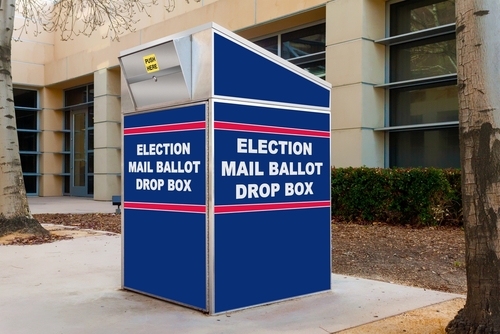 All bills not enacted by the end of the 118th congressional session on Jan. 3, 2025, will expire.
 The holiday season is when most people go on shopping sprees and travel. This season also witnesses a surge in online activities in today’s digital world. Unfortunately, cybercriminals take advantage of this period to launch attacks. Therefore, cybersecurity should be the top priority for a business gearing up for peak sales or a shopper looking for the best deal.
 Yep, it’s the end of another year! Chances are, you didn’t keep every resolution you made last year, for example, those goals about working out. (No shame here; we all do this!) However, the good news is that your fiscal goals can be a bit easier to achieve. Here are a few financial resolutions that are no-brainers, simple, and, best of all, no sweat.
 Step 7: Find Your Raison d’Etre
 No matter the type of business or industry, being able to analyze and deduce patterns is essential to discovering a business’ financial health. Here are four commonly used calculations to help internal and external stakeholders determine an organization’s ability to manage its finances.
 Personal Income Tax Planning Strategies for Year-End 2024
 Enhanced Presidential Security Act of 2024 (HR 9106) – During an election year, the Department of Homeland Security identifies major presidential and vice-presidential candidates in consultation with a committee of congressional leaders. This bipartisan bill instructs the U.S. Secret Service to use the same criteria for establishing the level of protection for major candidates as provided for presidents and vice presidents. The bill was introduced by Rep. Michael Lawler (R-NY) on July 23. It passed in the House on Sept. 20, in the Senate on Sept. 24, and was signed into law by the president on Oct. 1.
 Social media has evolved from a simple networking platform to a powerful business tool. Businesses today use these platforms with billions of active users worldwide to connect with their target audience. Social media allows businesses of all sizes to reach audiences in a way that traditional advertising, such as print or television, cannot.
 It’s that time of year again. Halloween has just come and gone – and now we’re hurtling headlong into Thanksgiving and Christmas. For holiday shopping, it’s tempting to turn a blind eye and put everything on your credit cards. However, if you don’t want to have a financial hangover in January, February (and so on), you might want to take a look at these tips.